


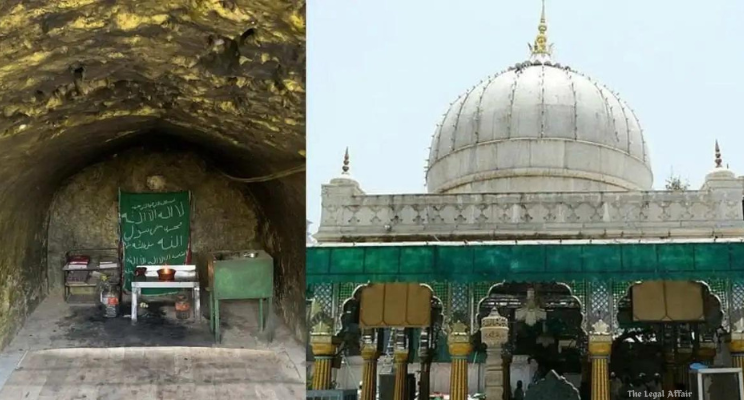
Introduction:
In a significant legal battle, the Supreme Court deferred its decision on the fate of centuries-old religious structures in Delhi’s Mehrauli, including the 13th Century Ashiq Allah Dargah and Chillagah of Baba Farid. The plea, filed by an individual named Zameer Ahmed Jumlana, sought protection from demolition for these historical sites, emphasizing their cultural and religious significance. The court directed the petitioners and authorities to present their representations to a religious committee before making a final decision.
Arguments of Both Sides:
The Delhi Development Authority (DDA) argued that if the religious committee approves the structures, they won’t be demolished, but unauthorized constructions beyond the protected area needed removal. They presented evidence challenging the claimed age of the structures and highlighted the constraints on developing the archaeological park. The opposing counsel, led by Talha Abdul Rahman, raised concerns about the jurisdiction of the religious committee, especially regarding ancient heritage structures. Rahman argued that the committee, comprising only bureaucrats, lacked competence in dealing with structures dating back centuries.
Court’s Judgement:
The bench, consisting of Justices Surya Kant and KV Viswanathan, deferred the decision for further hearing after four weeks. They allowed authorities and petitioners to approach the religious committee with their representations. Justice Kant suggested letting the religious committee decide on jurisdiction issues before the court examines its order. The decision took into account the high court’s order and the safeguards built into the system, emphasizing the importance of the religious committee’s competence in these matters.