


Introduction:
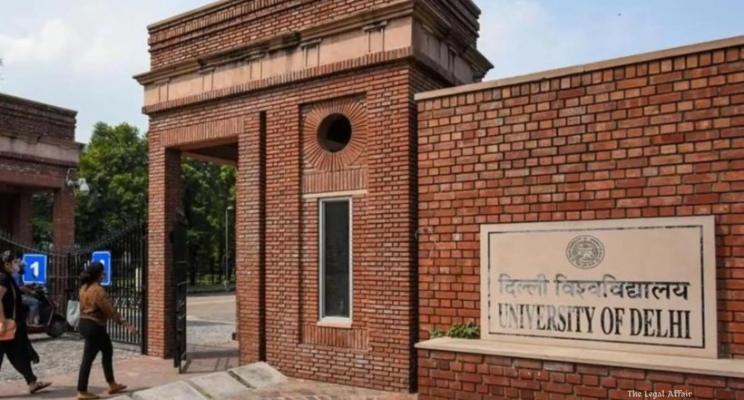
The Delhi High Court recently stepped in to address the eviction of a visually impaired Assistant Professor, Sharmishthaa Atreja, from her allotted hostel accommodation at Delhi University. The university’s directive to vacate the residence, citing the need for accommodation for the warden, prompted Atreja to approach the court. She argued that the eviction violated constitutional provisions, allotment rules, and disability rights. The court’s intervention aimed to ensure a fair resolution and uphold the rights of a visually impaired faculty member facing eviction.
Arguments:
Sharmishthaa Atreja, represented by a team of advocates including Dr. Amit George and Dhiraj Philip, challenged the eviction letter, invoking constitutional rights, residence allotment rules, and the Rights of Persons with Disabilities Act, 2016. She sought the quashing of the eviction directive and urged the court to direct the university to provide suitable accommodation near her department. Additionally, Atreja requested protection against eviction until alternative accommodation was arranged.
Court’s Judgement:
The Delhi High Court, recognizing the sensitive nature of the case, appointed Advocate Mohinder J. S. Rupal to mediate between Atreja and the university. An alternate premises was identified, and Atreja’s counsel presented a list of civil works required for accommodation, emphasizing the need for accessibility. The court directed the university to complete the specified civil works within four weeks. While instructing Atreja to vacate her current premises by 15.03.2024, the court urged the university to adopt a sympathetic view considering her visual impairment and the challenges she faces.