


Introduction:
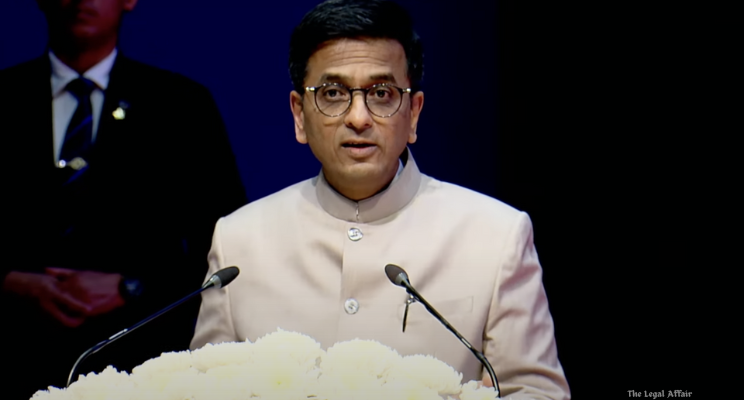
Chief Justice DY Chandrachud marked the seventy-fifth year of the Supreme Court of India by outlining the significant progress in technology initiatives, emphasizing a tech-enabled, efficient, and eco-friendly judiciary. Celebrating the diamond jubilee, he highlighted the court’s commitment to Mahatma Gandhi’s vision of justice accessible to the common citizen. The Chief Justice showcased advancements like e-filings, virtual hearings, and a ‘quadrangle of transformation’ comprising digitization, e-filing, paperless courts, and e-office.
Technological Strides:
Chief Justice Chandrachud highlighted the judiciary’s tech-savvy transition, emphasizing the role of e-filings and virtual hearings during and post the pandemic. He unveiled future plans, including migrating digital data to a cloud-based infrastructure and establishing a war room for real-time monitoring of judicial data nationwide. The Chief Justice emphasized progress in various e-courts projects, aligning with the court’s commitment to enhancing the overall judicial experience.
Challenges and Difficult Conversations:
Addressing challenges, Chief Justice Chandrachud proposed reevaluating long court vacations, exploring flexi-time, transforming the ‘adjournment culture,’ and fostering a culture of professionalism. He advocated for shorter oral arguments to expedite court outcomes and emphasized creating a level playing field for first-generation lawyers, especially from disadvantaged communities.
Citizen-Centric Initiatives:
The event also witnessed the launch of three citizen-centric initiatives—Digital Supreme Court Reports (Digi SCR), Digital Courts 2.0, and a new bilingual Supreme Court website. Prime Minister Modi endorsed these initiatives, highlighting the government’s commitment to leveraging technology for judicial infrastructure improvement and ensuring justice for all.