


Introduction:
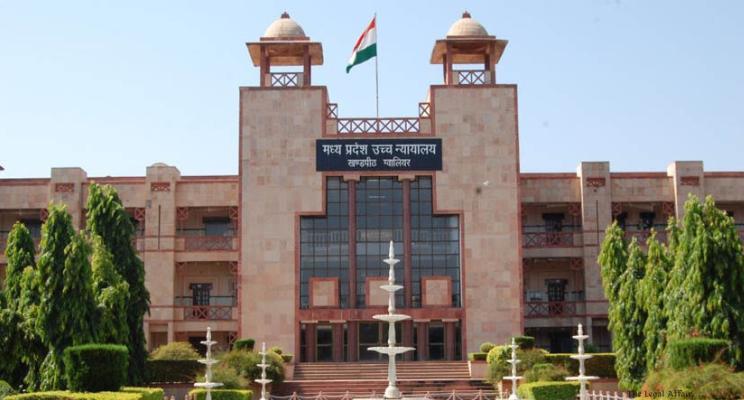
In the matter of State v. Uttam Singh [RP-1083-2025], the Madhya Pradesh High Court encountered an unusual yet serious administrative lapse that directly affected judicial proceedings, prompting the Bench to record its deep displeasure. The case came before a Division Bench comprising Chief Justice Sanjeev Sachdeva and Justice Vinay Saraf, during the hearing of a review petition where the State was represented by Government Advocate G.K. Agrawal. The Court discovered that a notice issued to the respondent on October 14, 2025, remained undelivered for over a month, and shockingly, the postal tracking system reflected “no booking information” despite the generation of a consignment number. This discovery led the Court to question the functioning of the Postal Department attached to the High Court, particularly after noticing that similar issues had arisen in several other cases. Upon summoning the Sub-Postmaster of the High Court Branch Post Office, the Court learned that the consignment was never dispatched at all, a revelation that the Bench described as “really shocking,” emphasizing that no matter the internal difficulties of the Post Office, notices could not be allowed to sit idle for weeks in their office. This lapse, affecting timely service of judicial notices, compelled the High Court to intervene with corrective directions.
Arguments:
During the proceedings, the primary concern came from the judicial side rather than adversarial positions, as the issue directly implicated administrative machinery rather than the litigating parties. The State, represented by Government Advocate G.K. Agrawal, pointed out that the Registry had properly prepared and transmitted the notice to the Post Office on November 4, 2025, but after that stage there was no explanation available on record regarding why the delivery failed or why the consignment tracking system displayed no status. The Court examined the internal records, noting that the notice should have been reflected on the official postal website once the consignment number was generated. However, the persistent message “consignment not found” indicated that the parcel had effectively not entered the postal transit chain. The Bench, noticing this trend across multiple pending matters, expressed the view that the issue was systemic rather than isolated. Upon summoning the Sub-Postmaster, the Court sought clarification, and the official admitted that the notice was not dispatched at all, confirming that it had been lying at the Post Office despite having been officially received. Though no formal defense or counter-argument came from a respondent’s side, the Bench treated the matter as one of serious procedural breakdown, observing that allowing such lapses to continue would undermine the efficacy of judicial processes.
Court’s Judgment:
The Madhya Pradesh High Court issued stern observations condemning the failure of the postal department to dispatch notices entrusted to it for timely delivery. Calling the situation “really shocking,” the Bench emphasized that it was unacceptable for notices handed over on November 4, 2025, to remain undispatched several weeks later, irrespective of whatever “personal difficulties” the postal staff might be facing. Recognizing that this lapse had occurred repeatedly in multiple cases, the Court concluded that unless immediate corrective action was taken, judicial timelines would continue to be jeopardized. Accordingly, the Bench directed the Registry to take back the notice from the Post Office and issue a fresh notice with a new date of appearance. It further mandated that, going forward, the office must submit a specific report in each matter indicating the date on which the notice was handed over to the Post Office, and in any instance where the consignment number does not reflect on the official tracking website, the Registry must determine whether the notice was actually dispatched or withheld. These directions were aimed at ensuring accountability and transparency in future procedural compliance. The matter has now been listed for further hearing on December 15, 2025, ensuring that the lapse does not prejudice the substantive rights of the parties involved.