


Introduction:
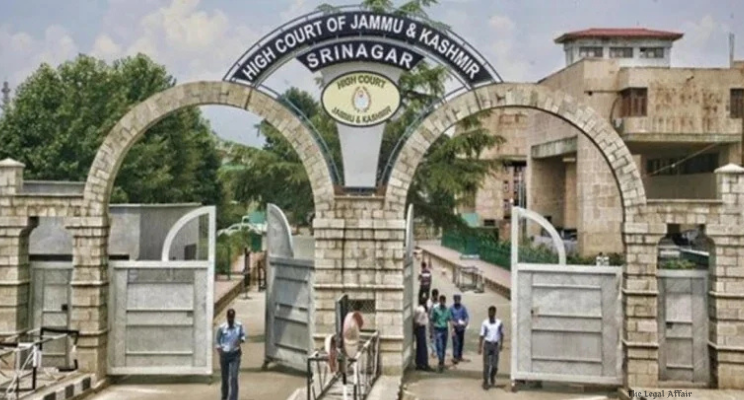
In M/s Aristo Laboratories Pvt. Ltd. v. Union Territory of Jammu & Kashmir, the High Court of Jammu & Kashmir and Ladakh delivered a significant ruling on the jurisdiction of criminal courts under the Drugs and Cosmetics Act, 1940. The case arose from a complaint filed against the petitioner-company after a drug sample of its pharmaceutical preparation was seized, analysed by the Government Analyst, declared “not of standard quality,” and subsequently retested by the Central Drugs Laboratory with the same result. Upon sanction of prosecution, a complaint was instituted before the Chief Judicial Magistrate. As the case traversed between courts—being taken cognizance of, committed to Sessions, returned to Magistrate, and challenged again—the petitioner approached the High Court, questioning the Magistrate’s jurisdiction. The primary issue revolved around whether offences under Sections 18(a)(i) and 27(d) of the Act, though falling under Chapter IV, must mandatorily be tried by a Court of Sessions or whether Section 36-A empowered a specially authorised Judicial Magistrate of First Class to try offences punishable up to three years. Justice Sanjay Dhar extensively analysed the statutory scheme, the nature of the offence, and legislative intent, ultimately concluding that the complaint was maintainable before the empowered Magistrate and that the petitioner’s objections lacked substance.
Arguments Of Both Sides:
The petitioner-company advanced multiple arguments challenging the maintainability of the prosecution. First, it submitted that offences under Sections 18(a)(i) and 27(d)—found within Chapter IV of the Act—could only be tried by a Court of Sessions because Section 32(2) restricts courts subordinate to Sessions from trying offences under this Chapter unless the Act provides otherwise. The petitioner maintained that no exception applied in the present case and that the Chief Judicial Magistrate lacked jurisdiction. Second, it argued that procedural safeguards under Section 23(4), particularly supply of a portion of the sample and its preservation for retesting, had not been complied with, thereby vitiating the prosecution. Third, the petitioner contended that cognizance had been taken mechanically by the Magistrate without proper judicial application of mind. Fourth, the petitioner asserted that earlier transfers of the case between courts showed uncertainty in jurisdiction, which weakened the legitimacy of proceedings. On the other hand, the respondents, including the Union Territory, argued that the petitioner’s interpretation of Section 32(2) was flawed because Section 36-A explicitly provides that offences punishable with imprisonment not exceeding three years shall be tried by a Judicial Magistrate of First Class specially empowered by the Government. Since Section 27(d) provided for a punishment up to two years, the offence squarely fell within Section 36-A. The respondents also highlighted that the Government had issued notifications empowering Magistrates accordingly, and this statutory mechanism could not be disregarded. Further, they asserted that all procedural requirements under Section 23 had been duly complied with—sample portions had been supplied, and retesting confirmed the initial finding. They maintained that the Magistrate had taken cognizance only after the Sessions Court returned the matter upon recognising the correct legal position. Thus, they argued that the petition was an attempt to delay proceedings rather than a bona fide jurisdictional challenge.
Court’s Judgment:
The High Court embarked on a meticulous interpretation of the statutory provisions. It began by analysing Section 27(d) of the Act, which prescribes punishment extending up to two years’ imprisonment for the offences alleged. Based on this, the Court held that the offence unmistakably fell within the category contemplated under Section 36-A, which mandates that offences punishable with imprisonment not exceeding three years shall be tried summarily by a Judicial Magistrate of the First Class specially empowered by the Government. Justice Sanjay Dhar emphasised that Section 36-A serves as a clear legislative exception to the general rule in Section 32(2), which bars courts inferior to a Sessions Court from trying offences under Chapter IV “except where the Act provides otherwise.” Since Section 36-A “provides otherwise,” it overrides the default rule and confers jurisdiction upon the specially empowered Magistrate. The Court also endorsed the reasoning of the Principal Sessions Judge, who, during earlier proceedings, had held that the offence was triable by a Magistrate and had therefore returned the case. This finding was consistent with the statutory notification issued by the Government empowering Magistrates to try such offences. Regarding the petitioner’s objections under Section 23(4), the Court held that records clearly demonstrated that a sample portion had been provided to the petitioner, and the sample was retested by the Central Drugs Laboratory, reaffirming the earlier conclusion that the drug was not of standard quality. Hence, the plea of procedural violation was untenable. The Court further dismissed the argument that cognizance had been taken mechanically, noting that once the Sessions Court returned the matter and jurisdictional clarity was restored, the Chief Judicial Magistrate properly applied judicial mind while proceeding further. The High Court categorically held that none of the grounds urged justified interference under its inherent jurisdiction. Therefore, the petition was dismissed, and the criminal proceedings before the Judicial Magistrate of First Class were permitted to continue in accordance with law.