


Introduction:
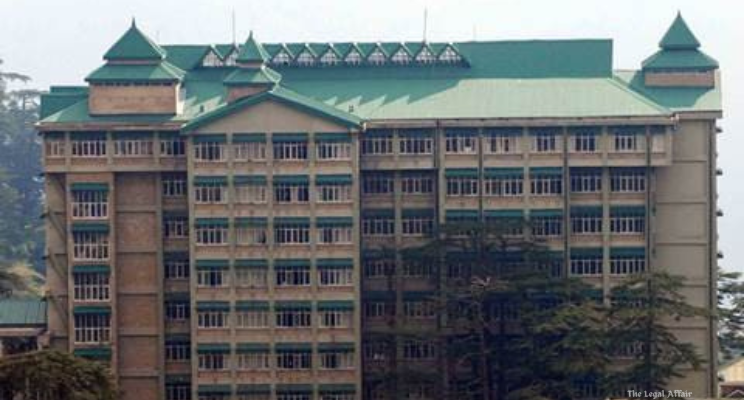
The case of Sambhav Bhasin v. State of Himachal Pradesh & Others [CWPIL No. 85 of 2025], decided on 5th September 2025 by a division bench comprising Chief Justice G.S. Sandhawalia and Justice Ranjan Sharma of the Himachal Pradesh High Court, brings to the forefront the deteriorating pedestrian culture and civic conditions in Shimla. The petitioner, represented by advocates Mr. Deven Khanna, Mr. Vasu Jal, and Mr. Shivam Sharma, approached the court through a Public Interest Litigation highlighting the unhygienic state of the city due to garbage dumping, encroachment of pedestrian pathways, and unauthorized vehicle parking even on sealed roads. The petition presented photographic evidence showing garbage piled behind vehicles, restricted pedestrian movement due to haphazard parking, and a gradual erosion of the heritage and cultural identity of Shimla as a walking town. The respondents, represented by Mr. Pranay Pratap Singh, Additional Advocate General for the State of Himachal Pradesh, and Ms. Oshin Anand Chauhan, counsel for the Municipal Corporation, opposed the PIL while acknowledging certain systemic lapses. The Court, after hearing both sides, directed the Senior Superintendent of Police, Shimla District, and the Home Secretary to file a detailed status report on the sealing of roads and the steps being taken to restore pedestrian convenience, cleanliness, and civic discipline. The matter was further listed for 10th October 2025 for compliance and further directions.
Arguments:
The petitioner argued that Shimla, once celebrated for its unique charm as a pedestrian-friendly hill town where residents and tourists enjoyed walking with umbrellas and jackets through its iconic roads and bazaars, is losing its identity. The unchecked growth of vehicle movement and indiscriminate parking has led to the blocking of pedestrian pathways, piling of garbage behind stationary vehicles, and an overall decline in sanitation. It was submitted that roads meant exclusively for pedestrians, including portions of Mall Road and stretches leading from ARTRAC to Ram Bazar, are now choked with two-wheelers and four-wheelers. The PIL further alleged that the Municipal Corporation of Shimla failed to exercise its statutory powers effectively, resulting in encroachments, garbage accumulation, and the misuse of sealed roads. The petitioner pointed out that even though some roads were sealed to preserve the walking culture and ensure free pedestrian movement, authorities issued an excessive number of vehicle passes, which diluted the purpose of the restrictions. They relied on photographs annexed to the petition to show the extent of encroachment, garbage disposal failures, and the decline in heritage value, stressing that urgent intervention was needed to protect both civic health and Shimla’s cultural identity.
On the other hand, the State and Municipal Corporation contended that necessary steps were being taken to manage parking and cleanliness in Shimla. The Additional Advocate General submitted that garbage disposal mechanisms are in place and the issue may not be as alarming as presented. He also argued that the matter requires administrative reforms rather than judicial intervention, suggesting that the Municipal Corporation has policies to regulate parking and garbage management. Counsel for the Municipal Corporation added that sealed roads have been enforced, but limited permissions for drop-offs were granted to balance local convenience and tourism. They emphasized that the problem of cleanliness was not entirely due to administrative inaction but also because of irresponsible behavior of citizens who dump waste behind vehicles. The respondents thus requested the court to allow them more time to improve the situation and regulate parking policies, instead of imposing strict judicial orders.
Judgement:
The High Court, however, was not satisfied with these explanations and observed that the reality on the ground reflected otherwise. Referring to the photographic evidence submitted by the petitioner, the bench noted that the roads and pathways were clearly blocked by indiscriminate parking, leading to garbage pile-up and unhygienic conditions. The judges further remarked that Shimla, like Mussoorie, is slowly losing its charm due to vehicular intrusion on sealed pedestrian roads, which were meant to preserve the town’s unique walking culture. The bench expressed concern that Old Shimla, which once thrived on its pedestrian lifestyle and aesthetic environment, was now being compromised by administrative laxity and increasing motorization. The Court observed that municipal authorities had failed to adequately exercise their powers and stressed the urgent need for restoration of pedestrian-friendly practices.
The Court specifically criticized the misuse of sealed road permissions, noting that what was intended for drop-offs has been turned into permanent parking arrangements. The bench highlighted that areas from Rock Sea Hotel to Willow Bank and from Shilli Chowk/Shimla Club to Chhota Shimla Chowk, which were notified as sealed roads, had now been converted into vehicle zones due to excessive issuance of passes. The judges pointed out that this violated the very intent of sealing these roads, which was to prioritize pedestrian access and preserve Shimla’s heritage as a walking town. The bench also expressed its dismay at the cleanliness levels, remarking that garbage behind parked vehicles was creating an unhygienic environment for both residents and tourists.
In its interim order, the High Court directed the Senior Superintendent of Police, Shimla District, and the Home Secretary to file a comprehensive status report. This report is expected to include the number of sealed roads in Shimla, the extent of permissions issued for vehicular access, the status of garbage management, and the measures proposed to restore pedestrian movement. The Court also issued a notice to the Municipal Corporation, reminding them of their duty to ensure cleanliness and to regulate parking effectively. The bench further observed that cleanliness and pedestrian rights cannot be compromised in the name of administrative convenience or tourism, emphasizing that the essence of Shimla’s heritage lies in its pedestrian culture.
The Court’s order serves as a reminder of the responsibility of civic authorities to balance modernization with heritage preservation. It acknowledged that while urban growth and tourism necessitate certain infrastructural adjustments, this cannot come at the cost of pedestrian convenience and civic health. By stressing that Shimla is losing its cultural touch of walking with “Umbrella and Jacket,” the bench highlighted the symbolic and practical significance of pedestrian pathways in preserving the town’s identity. The Court’s directive reflects a larger judicial commitment to sustainable urban development, one that prioritizes pedestrian welfare, sanitation, and cultural heritage over unregulated motorization. The listing of the matter for 10th October 2025 keeps the issue alive for further monitoring and ensures that the authorities are held accountable for their actions.
This case underscores the increasing importance of judicial oversight in urban governance, particularly in heritage towns where cultural identity, tourism, and citizen welfare intersect. It demonstrates how courts play a pivotal role in holding civic authorities accountable and ensuring that administrative inefficiency does not erode heritage and public health. The Himachal Pradesh High Court’s intervention not only safeguards the rights of pedestrians but also sends a message to municipal bodies across India that urban planning must prioritize people over vehicles.