


Introduction:
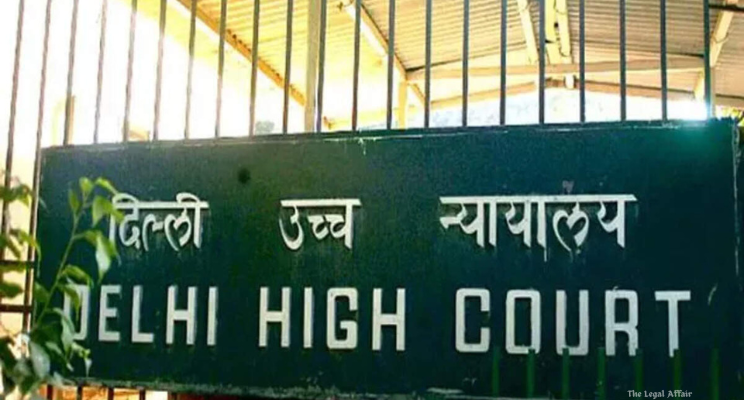
In MAHUA MOITRA v. NISHIKANT DUBEY & ORS, Trinamool Congress (TMC) leader Mahua Moitra brought a petition before the Delhi High Court (DHC), overseen by Justice Sachin Datta, contesting an alleged media leak about the Central Bureau of Investigation’s (CBI) submission of its report to the Lokpal regarding the cash-for-query scandal. The scam involves serious allegations that Moitra received cash in exchange for asking questions in Parliament. While not seeking any takedown orders, her counsel, Advocate Samudra Sarangi, urged the Court to enforce confidentiality under the Lokpal and Lokayuktas Act, 2013, and relevant Lokpal circulars. The petition argued that the leak—of the CBI filing its report—was publicized without authorization, affecting her right to fair proceedings. The Court indicated a concise hearing and promised to dispose of the petition with clear emphasis on strictly maintaining confidentiality by all parties involved. A detailed order is expected to be uploaded later. Moitra was expelled from the Lok Sabha in December 2023 following a finding of the Ethics Committee that she had accepted cash for parliamentary questions. Though she admitted providing her Parliament login credentials to businessman Darshan Hiranandani, she firmly denied receiving any monetary or other material benefit. The matter traces back to complaints by MP Nishikant Dubey and advocate Jai Anant Dehadrai, which led to the opening of the CBI inquiry and Moitra’s subsequent legal and political entanglements.
Arguments of the Petitioner:
Moitra, represented by Advocate Samudra Sarangi, asserted that the leak regarding the submission of the CBI report to the Lokpal breached the confidentiality mandates of the Lokpal and Lokayuktas Act, 2013, as well as internal circulars intended to preserve the integrity of such sensitive processes. While not seeking takedown or media blackout, her plea was aimed at ensuring that such information—especially about procedural developments in an ethics-related inquiry—was not prematurely shared with the press. The petitioner emphasized that disclosure to the media before formal communication can prejudice the process, influence public perception, and potentially jeopardize claims of fair investigation. She urged the Court for an order reinforcing that all stakeholders—investigative agencies, the Lokpal, media, and their affiliates—adhere strictly to confidentiality norms pending official notification.
Arguments of the Respondents:
While the hearing was brief and the specifics of the respondents’ arguments were not recorded in detail, the general position likely emphasized procedural propriety and public interest. The CBI and other concerned authorities may argue that procedural confidentiality does not extend to full media suppression and that factual disclosures—such as the filing of a report with the Lokpal—are within the realm of permissible reporting if based on accurate, verifiable information. They may also underline that no statutory bar exists on reporting progress in high-profile inquiries, and that factual communication does not automatically imply prejudice or unfairness to the subject.
Court’s Preliminary Order:
Justice Sachin Datta indicated that the matter was disposed of in court with a clear directive: confidentiality must be “strictly maintained by all the concerned.” The judge emphasized the non-discretionary nature of privacy and confidentiality under the Lokpal regime, stating unequivocally that “there is no doubt that confidential has to be maintained. There is no dispute that everyone is bound to maintain confidentiality…” The petition was briefed in substance, and the judge confirmed that a detailed order will follow. In essence, the Court refrained from imposing any media gag or takedown, but placed binding obligations on investigative and adjudicatory institutions—and by extension, the media and their sources—to preserve confidentiality until formal disclosures are made. The hearing thus asserted judicial recognition of the sensitivity surrounding ongoing ethics and corruption inquiries, balancing transparency with procedural fairness.