


Introduction:
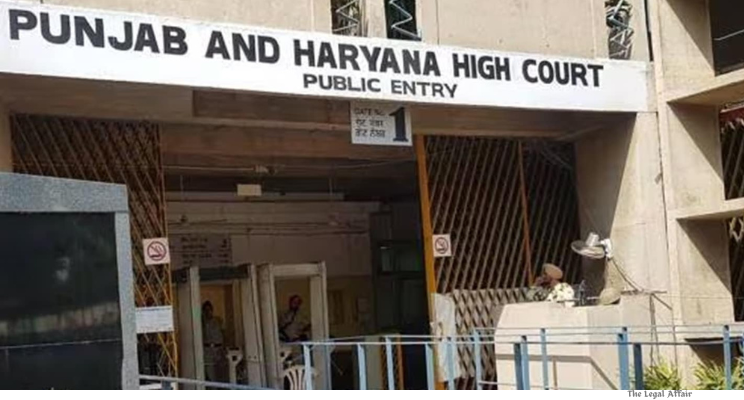
In a critical intervention aimed at safeguarding the constitutional right to health, the Punjab & Haryana High Court, on July 17, 2025, raised serious concerns over the alarming lack of essential medical equipment and infrastructure in district hospitals across Punjab, Haryana, and the Union Territory of Chandigarh. The bench comprising Chief Justice Sheel Nagu and Justice Sanjiv Berry was hearing a Public Interest Litigation (PIL) filed by Bhisham Kinger, highlighting the acute shortage of medical officers and lack of critical facilities in government hospitals, particularly in Punjab’s Malerkotla District Hospital. The Court, terming free medical care as a “sovereign function of the State,” directed all three administrations to file a detailed affidavit outlining their policies on ensuring basic medical infrastructure at the district level, including MRI and CT scan machines, and to clarify why such essential diagnostic tools have not been procured so far. Expressing deep concern over the deteriorating state of public healthcare, the Court remarked that government institutions, once a benchmark of excellence, are now overshadowed by private entities.
Arguments by the Petitioner:
Petitioner Bhisham Kinger brought to light a grave issue affecting public health—acute shortage of medical officers and essential equipment in government hospitals. The PIL specifically highlighted that District Hospital Malerkotla lacked fundamental diagnostic machines such as MRI and CT scanners, which are indispensable for accurate and timely medical treatment. It was argued that the absence of such equipment forces patients, particularly those from economically weaker sections, to seek diagnostic services from private hospitals, often at exorbitant costs, thereby defeating the constitutional mandate under Article 21 (Right to Life) which encompasses the right to health and medical care.
The petitioner emphasized that the failure of the State to provide these basic facilities amounts to dereliction of its constitutional duty, as public healthcare is a sovereign responsibility and not a matter of charity. Furthermore, the petitioner urged the Court to direct the government to establish a clear policy framework ensuring that every district hospital is adequately equipped with advanced diagnostic tools, qualified medical staff, and supporting infrastructure.
The petitioner also drew attention to the prolonged vacancies of medical officers, which further aggravates the crisis in public healthcare. It was submitted that lack of manpower, coupled with inadequate infrastructure, has resulted in denial of essential healthcare services to the common citizen, compelling them to resort to private medical care despite financial constraints.
Arguments by the Respondents (Punjab Government):
On behalf of the Punjab Government, the State Counsel submitted an affidavit from the Principal Secretary, Health Department, disclosing that 20 medical officers have been posted in Malerkotla District Hospital. It was further submitted that efforts are underway to fill up vacancies that arise due to transfers or retirements, though the Court was not satisfied with the explanation and demanded details of the mechanisms adopted for timely recruitment and replacement of medical personnel.
Regarding the absence of MRI and CT scan machines, the affidavit revealed that the government had issued an e-tender on May 27, 2025, for procurement of the machines. However, no bidders came forward, leading to a re-tendering process. The State contended that procurement was delayed due to lack of participation by vendors and assured the Court that necessary steps are being taken to expedite the process.
The government further informed the Court that it has initiated measures to upgrade district hospitals and is committed to improving infrastructure in a phased manner. However, the bench expressed skepticism over these assurances, noting the longstanding delay in implementing these plans, which directly affects citizens’ access to healthcare.
Observations of the Court:
The bench expressed strong disapproval of the State’s failure to ensure basic healthcare facilities in district hospitals, particularly MRI and CT scan machines, which are critical for emergency care and diagnosis of serious medical conditions. Chief Justice Sheel Nagu, while questioning the State on its medical policy, remarked:
“What is the medical policy of the State as to basic medical infrastructure at every district hospital? Since providing free medical care is a sovereign function of the State, the affidavit should clarify why such machines could not be purchased.”
The Court expanded the scope of the PIL by impleading Haryana and the UT Administration of Chandigarh, considering the broader implications of the issue on public health across the region. It underscored the constitutional obligation of the State under Article 21, stating that the failure to provide essential healthcare services amounts to a violation of fundamental rights.
Drawing a stark comparison between the past and present state of public institutions, the Chief Justice observed:
“There was a time when government schools used to flourish; now we go after private schools. The same fate seems to befall government hospitals if corrective measures are not taken.”
The Court directed all respondents to file a comprehensive affidavit detailing:
- The existing medical infrastructure policy for district hospitals.
- Reasons for non-procurement of MRI and CT scan machines in Malerkotla and other districts.
- Whether the diagnostic machines presently in use are owned by the hospital or outsourced through private entities.
- Steps taken to fill vacancies of medical officers and ensure continuous availability of staff.
The matter has been listed for further hearing on August 19, 2025, with the Court warning that failure to provide satisfactory responses could result in stringent judicial directions.
Impact and Legal Significance:
This case holds immense significance as it brings into sharp focus the State’s accountability for public healthcare infrastructure, a cornerstone of the right to life under Article 21 of the Constitution. The Court’s proactive stance reinforces that healthcare is not a privilege but a fundamental right, and the State cannot abdicate its responsibility by citing procedural or logistical hurdles.
The observations made in this case may pave the way for judicially enforceable standards of medical infrastructure in public hospitals, ensuring that essential equipment like MRI and CT scan machines become a mandatory component of district-level healthcare facilities.