


Introduction:
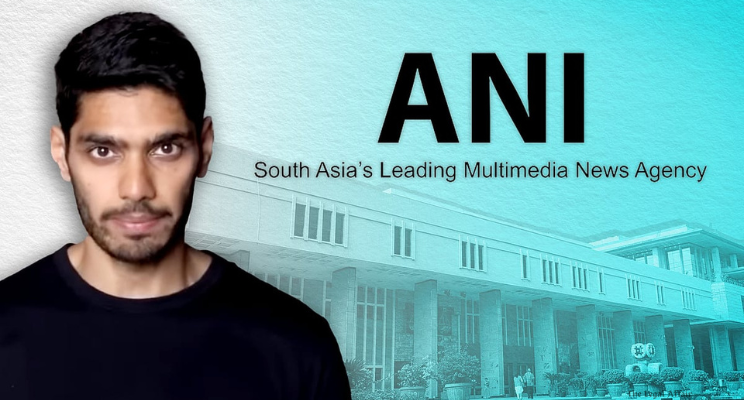
In a significant legal development, the Delhi High Court is currently examining a defamation lawsuit filed by a prominent news agency against YouTuber Mohak Mangal. The case revolves around a video titled “Dear ANI,” in which Mangal critiques the agency’s copyright enforcement strategies, alleging practices akin to extortion and blackmail. The video has garnered substantial attention, amassing over 5.5 million views, and has sparked a broader debate on the boundaries of free speech, fair use, and the rights of content creators in the digital age.
Arguments Presented:
Plaintiff’s Perspective:
Representing the news agency, Senior Advocate Amit Sibal contends that Mangal’s video contains defamatory statements that tarnish the agency’s reputation. Sibal highlights that Mangal used the agency’s copyrighted content without authorization, including clips from interviews, and incorporated them into his own posts. The plaintiff argues that such usage constitutes a violation of copyright laws and has led to the dissemination of false information. Furthermore, Sibal points out that Mangal’s call for the public to unsubscribe from the agency’s services, coupled with the use of terms like “extortion” and “blackmail,” has caused reputational harm and financial loss.
Defendant’s Perspective:
On behalf of Mangal, Senior Advocate Chander Lall argues that the video in question is a form of journalistic critique and falls under the ambit of fair use. Lall asserts that Mangal’s commentary is based on factual instances where the agency demanded substantial licensing fees from content creators for the use of short clips, sometimes under 10 seconds. He emphasizes that Mangal’s expressions are his personal opinions and are protected under the right to free speech. Lall also challenges the plaintiff’s claim of trademark infringement, stating that the use of the agency’s name in the video is for identification purposes and does not constitute a violation.
Court’s Observations:
Presiding over the case, Justice Amit Bansal has taken a nuanced approach. After viewing the video, the court noted that certain terms used by Mangal, such as “Hafta wasooli” and “gunda raaj,” could be considered offensive. Justice Bansal suggested that Mangal’s counsel take instructions on removing these specific portions from the video. The court emphasized the importance of maintaining a balance between the right to free expression and the potential for defamation. Additionally, the court acknowledged the broader implications of the case, particularly concerning the use of copyrighted material and the responsibilities of content creators on digital platforms.
Conclusion:
This case underscores the evolving challenges at the intersection of digital content creation, copyright enforcement, and freedom of expression. As the Delhi High Court deliberates on the matter, the outcome could set a precedent for how similar disputes are addressed in the future. The decision will likely influence the dynamics between traditional media entities and independent content creators, shaping the contours of permissible critique and the enforcement of intellectual property rights in the digital realm.