


Introduction:
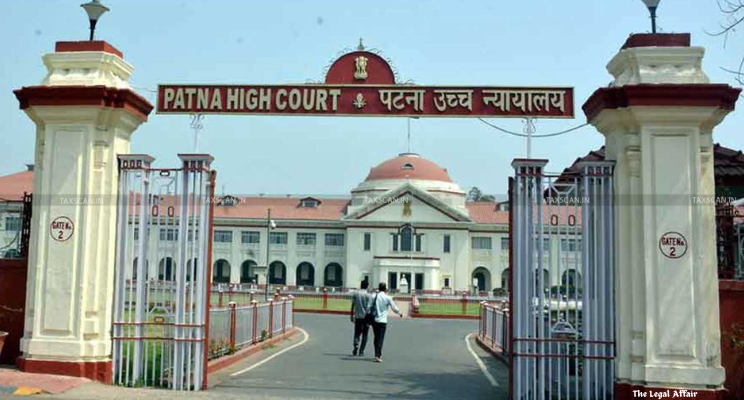
In the case of Bishal Roadways Versus Union of India, the Patna High Court, presided over by Justice Mohit Kumar Shah, addressed the scope of investigative powers granted to Customs authorities under the Customs Act, 1962. The petitioner, Bishal Roadways, sought the release of a truck and 304 bags containing 20,520 kilograms of betel nuts seized by Customs (Preventive) authorities in Muzaffarpur, Bihar, in January 2020. The petitioner challenged the initiation of seizure and confiscation proceedings, alleging them to be ultra vires the Customs Act.
Arguments of Both Sides:
The petitioner contended that the seized betel nuts were perishable goods and requested their immediate release upon furnishing cash and bank guarantees. They argued that the seizure was based on mere suspicion without concrete evidence of foreign origin, thereby rendering the proceedings under the Customs Act invalid. Furthermore, the petitioner questioned the maintainability of the seizure, citing procedural lapses and lack of proper authorization.
Conversely, the Customs authorities opposed the writ petition’s maintainability, highlighting that the individual filing the petition on behalf of Bishal Roadways failed to disclose the nature of his authorization. Additionally, the registered owner of the vehicle, Amit Mishra, neither filed for the vehicle’s release nor authorized anyone to do so. The authorities emphasized that the seizure was based on a “reasonable belief” that the consignment comprised foreign-origin betel nuts, specifically Indonesian, and that the investigation was in its nascent stage.
Judgement:
Justice Mohit Kumar Shah observed that the Customs Act provides “unfettered power” to investigate when there are reasons to believe that its provisions have been violated. He emphasized that investigations cannot be curtailed at the outset based on technicalities. The Court noted inconsistencies in the petitioner’s submissions and remarked that the petitioner had not approached the Court with clean hands, thereby disentitling them from any relief under the equitable and discretionary jurisdiction of Article 226 of the Constitution of India.
The Court refrained from delving into the merits of the case to avoid prejudicing the petitioner’s position, acknowledging that the investigation was ongoing. It granted the petitioner liberty to raise all issues before the Customs authorities at an appropriate stage. The Court directed the Customs authorities to consider these issues in accordance with the law and pass appropriate orders expeditiously. It further expected that the investigation and any ensuing adjudication proceedings be completed within six months from the date of the order.