


Introduction:
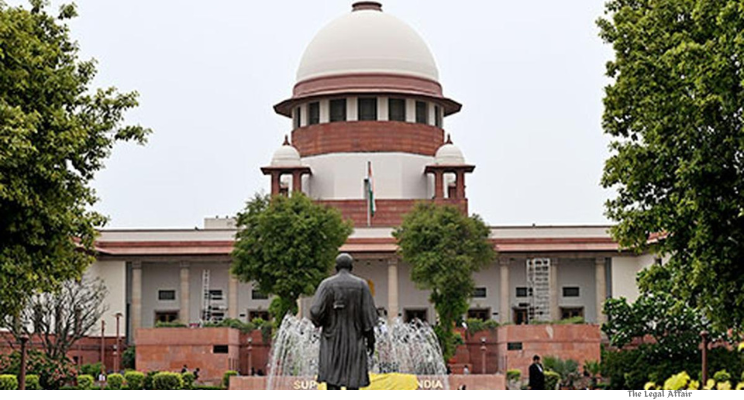
In a significant ruling, the Supreme Court has granted bail to Arun Pati Tripathi, a former Special Secretary in the Chhattisgarh Excise Department, who was arrested in connection with the alleged Chhattisgarh liquor scam. However, the Court has directed that his release be postponed until April 10, 2025, to ensure that the ongoing investigation remains unaffected. The order was passed by a bench comprising Justice Abhay Oka and Justice Ujjal Bhuyan, who considered Tripathi’s prolonged incarceration of nearly 11 months and the fact that the trial was unlikely to commence soon. Tripathi was arrested on April 12, 2024, by the Anti-Corruption Bureau (ACB) in Raipur and was booked under Sections 420, 467, 468, 471, and 120-B of the Indian Penal Code (IPC), along with Sections 7 and 12 of the Prevention of Corruption Act, 1988. The Chhattisgarh High Court had earlier rejected his bail plea, citing his alleged role in a large-scale corruption scheme involving illegal commissions from liquor suppliers and illicit liquor sales through government-run shops. While granting bail, the Supreme Court imposed strict conditions, including the surrender of his passport and daily reporting to the investigating officer, ensuring his continued cooperation with the authorities.
Petitioner’s Arguments:
Tripathi’s counsel argued that he had been in custody for approximately 11 months and that the investigation had already resulted in the filing of three charge sheets, indicating substantial progress. It was contended that keeping him in detention indefinitely violated his fundamental right to personal liberty under Article 21 of the Constitution. The defense further emphasized that more than 300 witnesses had been listed in the case, and the trial was unlikely to begin anytime soon. Given these factors, the petitioner’s counsel asserted that Tripathi was entitled to bail, as continued incarceration without trial would be unjust.
State’s Arguments:
The prosecution opposed the bail plea, arguing that the investigation was still ongoing and that Tripathi played a key role in the liquor scam, which caused significant financial losses to the state exchequer. The state contended that his release could jeopardize the probe, as certain accused persons were still absconding, and confrontation with Tripathi was necessary. Additionally, the prosecution highlighted the seriousness of the allegations, including receiving bribes and transferring illicit funds to offshore entities, which warranted his continued detention to prevent possible tampering with evidence or influencing of witnesses.
Court’s Judgment:
After hearing both sides, the Supreme Court acknowledged that Tripathi had been in custody for nearly 11 months and that the trial was unlikely to begin in the near future. The bench observed that under normal circumstances, he would be entitled to bail, as previously noted in its order dated December 12, 2024. However, considering the prosecution’s argument that the investigation was still ongoing, the Court struck a balance by granting bail while delaying his release until April 10, 2025. The Court directed that he be produced before the appropriate sessions court on that date, where the final bail order would be passed with specific conditions.
Additionally, the Court imposed strict conditions on his bail:
- He must surrender his passport to the investigating officer.
- He must report to the investigating officer every day at 10:00 a.m. until the charge sheet is filed.
In the same proceedings, the Supreme Court also granted bail to three other accused in related cases: Anurag Dwivedi, Dilip Pandey, and Deepak Duary. While Dwivedi and Duary were directed to be produced before the sessions court within ten days for their final bail conditions, Pandey’s release was also set for April 10, 2025, under terms similar to Tripathi’s.