


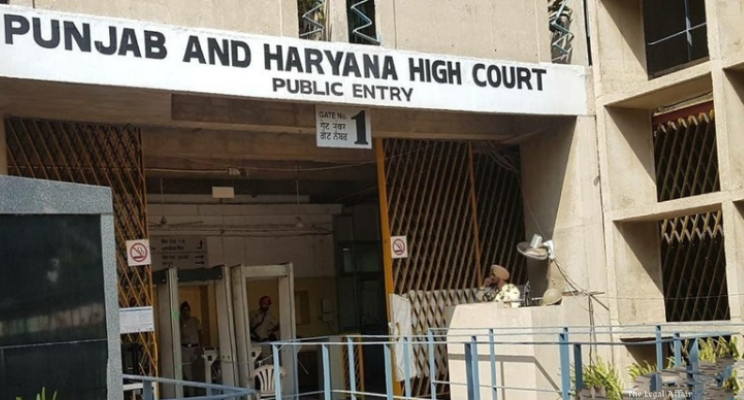
Introduction:
The Punjab & Haryana High Court recently dismissed the second anticipatory bail plea of Gurpreet Singh, accused in a drug case under Sections 18(c) and 29 of the Narcotic Drugs and Psychotropic Substances (NDPS) Act. Justice Sumeet Goel, in his judgment, observed that the accused had willfully evaded arrest for over two years and failed to submit to the legal process, which significantly undermined his claim for anticipatory bail. The case at hand involved serious allegations related to drug trafficking, and the Court was unwilling to grant relief to the petitioner due to his conduct, which displayed a clear disregard for the judicial system.
Arguments of the Parties:
The petitioner, Gurpreet Singh, through his counsel, argued that he had been falsely implicated in the case based on the disclosure statement of a co-accused. He also sought relief because his co-accused had been granted regular bail. Singh contended that there had been no fresh substantial change in circumstances that would justify the denial of his bail plea, and he further argued that his case should be treated similarly to that of his co-accused, who was granted regular bail by the court. The petitioner emphasized the need for a fair trial and asserted that his continued evasion of arrest was not a significant factor to be considered for denying anticipatory bail.
On the other hand, the state opposed the plea, highlighting the fact that the petitioner had deliberately evaded arrest for over two years, despite knowing about the case and the proceedings against him. The prosecution underscored the seriousness of the charges against the petitioner, citing his continued absence and failure to comply with the legal process. The state contended that the petitioner’s conduct, marked by evasion and delay, demonstrated a blatant disregard for the judicial system and should not be rewarded with anticipatory bail.
Court’s Judgment:
Justice Sumeet Goel, in his ruling, emphasized the importance of the rule of law and the need for individuals to comply with the judicial process. The Court noted that while the liberty and dignity of an individual are fundamental rights, these rights cannot be exercised in a manner that undermines the legal system. In this case, the petitioner’s prolonged evasion of arrest for over two years constituted an abuse of the process of justice, and thus, the Court found no grounds to grant anticipatory bail.
The Court also pointed out that the petitioner had previously filed an anticipatory bail plea in September 2022, which was dismissed, and there had been no significant change in circumstances since then. The mere fact that the co-accused had been granted regular bail did not provide a valid basis for the petitioner to claim anticipatory bail, especially given the nature of the charges against him and his conduct during the proceedings. Justice Goel remarked that the petitioner’s delay tactics were a deliberate attempt to frustrate the legal proceedings, which amounted to an abuse of judicial processes.
The Court ultimately rejected the anticipatory bail plea, reinforcing the principle that the law must be applied fairly and consistently to all individuals, and no one should be allowed to evade arrest and justice for such an extended period.
Conclusion:
The Punjab & Haryana High Court’s decision to deny anticipatory bail to Gurpreet Singh serves as a reminder of the importance of adhering to legal procedures and the judicial process. The case highlights how the deliberate evasion of arrest and prolonging the legal proceedings can have serious consequences, particularly in cases involving serious criminal charges. The Court’s stance reaffirms that justice must be served fairly and without tolerance for those who attempt to undermine it through delay tactics or evasion. As the case illustrates, while bail is a right, it is not automatic, and individuals seeking bail must demonstrate their willingness to participate in the legal process. The Court’s refusal to grant anticipatory bail underscores the importance of accountability and the need for all individuals to face the law when accused of criminal activities, especially those as serious as drug trafficking.