


Introduction:
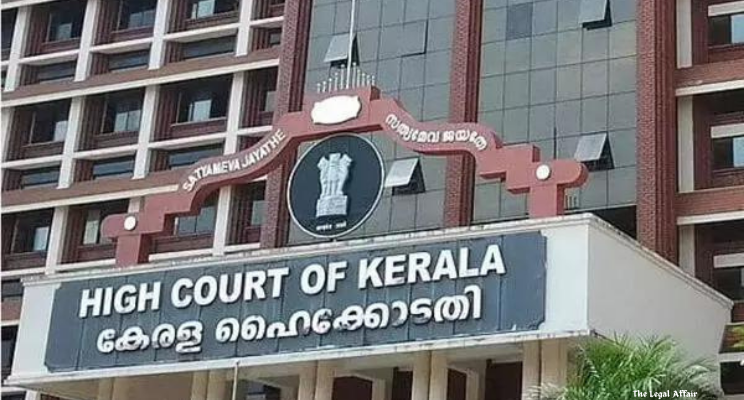
In the case Arun Kumar K. and Another v. State of Kerala, BA 778/2025, the Kerala High Court, on January 20, 2025, granted interim anticipatory bail to Malayalam news channel Reporter TV’s consulting editor Arun Kumar K. and sub-editor Shabas Ahammed. Both were booked under Section 11(i) of the Protection of Children from Sexual Offences Act (POCSO Act) for allegedly sexually harassing a minor girl through words and gestures during a tele-skit aired in connection with the State School Arts Festival (Kalolsavam). The petitioners argued that the skit was performed with prior consent from the child and her parents, raising questions about the necessity and intent of the prosecution. Justice P.V. Kunhikrishnan presided over the matter and issued the interim order, directing their release on self-bond if arrested.
Arguments of the Petitioners:
The petitioners, represented by their legal counsel, argued that the allegations against them were baseless and a misinterpretation of the tele-skit aired during the Kalolsavam. They maintained that the performance was scripted and executed with the knowledge and consent of the child participant and her parents, and there was no malicious intent behind their words or gestures. They claimed that the video was edited to include humorous commentary and a romantic song, which was done solely for entertainment purposes. Furthermore, they contended that their actions did not amount to sexual harassment under Section 11(i) of the POCSO Act and urged the Court to consider the context and their professional responsibilities as journalists. The petitioners expressed apprehension about their arrest and sought anticipatory bail to avoid unnecessary detention and stigma.
Arguments of the Prosecution:
The prosecution alleged that the petitioners had engaged in inappropriate behavior by making distasteful comments about a minor girl, which were aired on television. According to the prosecution, Arun Kumar, during the coverage of the Oppana dance event at the arts festival, pointed towards the “manavatti” (bride) of a participating team and made a comment to his co-editor Shabas, asking, “Did you see that Oppana girl again?” Additionally, Shabas reportedly made remarks like “You look good,” followed by playing a romantic song. The prosecution asserted that these remarks, coupled with the video’s romanticized tone, constituted sexual harassment under the POCSO Act. They argued that such behavior, especially when aired publicly, could not be dismissed as mere humor and demanded accountability to ensure that minors are protected from inappropriate conduct.
Court’s Observations and Judgment:
During the hearing, Justice P.V. Kunhikrishnan raised concerns about the necessity of filing the case and questioned the prosecution’s basis for the allegations. The Court orally remarked, “Why are you registering this case? The victim has no case. They are journalists; maybe they did it for [journalistic purposes].” Justice Kunhikrishnan appeared skeptical of the charges, noting that the victim and her parents had not lodged any complaint against the petitioners. The Court directed the public prosecutor to provide further instructions regarding the matter.
In its interim order, the High Court observed that a prima facie case had been made by the petitioners to justify the grant of anticipatory bail. Justice Kunhikrishnan acknowledged that the allegations required further examination but concluded that arresting the petitioners at this stage would be unnecessary. The Court emphasized the need to balance the protection of children with the fair treatment of individuals accused of such offenses, especially when the allegations appear to lack substantive evidence or malintent. Accordingly, the Court ordered that if the petitioners are arrested in connection with the case, they shall be released on self-bond.