


Introduction:
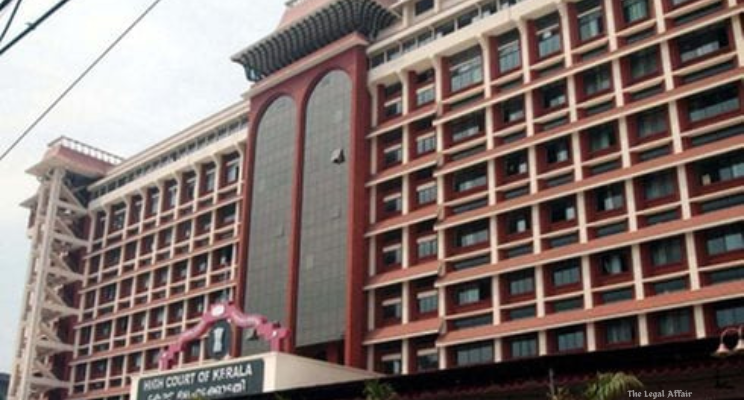
In the matter of Shoyab K.A. and Another v. State of Kerala and Others [WP(C) No. 15097 of 2024], the Kerala High Court dismissed a plea seeking reservations in promotions for persons with benchmark disabilities in posts not identified by the government. The petitioners, Section Officers at M.G. University and belonging to the benchmark disability category (more than 40%), were denied promotions under the differently-abled quota. They contended that the Office Memorandum issued by the Central Government mandated consideration of eligible candidates with benchmark disabilities for promotions. However, the Court, presided by Justice N. Nagaresh, observed that reservations under Section 34 of the Rights of Persons with Disabilities Act, 2016 (RPWD Act), are confined to posts identified under Section 33 of the Act, and since the higher promotional posts were not identified as suitable for reservation, the petitioners could not claim promotion as a legal right.
Arguments:
The petitioners argued that as per the proviso to Section 34 of the RPWD Act, reservations in promotion must follow instructions issued by the appropriate government. They relied on the Office Memorandum by the Central Government, which directed that eligible candidates with benchmark disabilities be considered for promotion in non-selection posts against reserved vacancies. They asserted that their right to promotion was being denied unjustly despite their eligibility. Further, they claimed that the failure of the university to identify higher posts for reservation under Section 33 was discriminatory and a violation of their rights under the RPWD Act.
On the other hand, the University countered that the government orders referred to by the petitioners applied specifically to appointments in aided schools and colleges and did not apply to M.G. University. The University emphasized that it followed the State Government’s directives, which did not identify the higher promotional posts as suitable for reservations for persons with disabilities. They also argued that without such identification, granting reservation in promotions would contravene the statutory provisions of the RPWD Act.
Judgment:
The Kerala High Court meticulously examined the provisions of the RPWD Act, 2016, particularly Sections 33 and 34, to determine the scope of reservations for persons with benchmark disabilities. Justice N. Nagaresh clarified that Section 33 mandates the appropriate government to identify posts in establishments that are suitable for persons with benchmark disabilities. These posts must be periodically reviewed and updated to ensure compliance with the Act. However, the Court noted that the higher promotional posts of Assistant Registrar, Deputy Registrar, and Joint Registrar at M.G. University had not been identified as suitable for reservation under Section 33.
The Court emphasized that the reservation contemplated under Section 34 is confined strictly to posts identified under Section 33. Therefore, without identification of the posts for reservations by the university, the petitioners could not claim a legal right to promotion. The Court further observed that while the Central Government’s Office Memorandum highlighted reservation policies, its implementation depended on the identification of posts by the concerned establishment, which had not occurred in this case.
Justice Nagaresh concluded that the petitioners had a normal avenue for promotion to higher posts but could not seek reservation in promotions unless such posts were duly identified by the university as suitable for persons with disabilities. The Court relied on the statutory scheme of the RPWD Act and ruled that the petitioners’ claims lacked legal backing. Consequently, the writ petitions were dismissed, reinforcing the principle that reservation in promotion cannot be claimed for posts not identified under the statutory framework.