


Introduction:
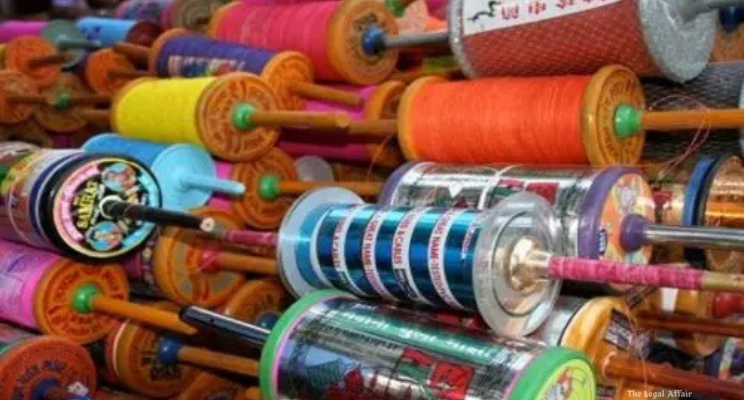
In a significant judgment, the Telangana High Court on January 10, 2025, directed the immediate and strict implementation of a 2017 order by the National Green Tribunal (NGT) that mandated all state governments in India to enforce a ban on the use of Chinese Manjha or synthetic kite flying thread. The court passed this order in response to a plea filed before the occasion of Makar Sankranti, a festival traditionally associated with kite flying, highlighting the dangers posed by the use of synthetic threads. The petitioner’s argument focused on the numerous fatalities and harm to birds caused by this synthetic thread, which has become a cause for concern in recent years. Despite the NGT’s 2017 ruling, the petitioner claimed that the state authorities had failed to implement the ban effectively, prompting legal action.
Arguments of Both Sides:
The petitioner, represented by Counsel Sree Ramya, argued that despite the clear directives from the NGT, the Telangana state authorities had not taken adequate steps to ensure the enforcement of the ban on Chinese Manjha. The petition emphasized the grave risk the synthetic thread poses to human life and wildlife, especially birds. The petitioner referred to the tragic fatalities caused by the sharp and abrasive nature of the synthetic thread, which has been responsible for severing arteries, leading to injuries or deaths of individuals, especially motorcyclists. Additionally, the synthetic thread has been implicated in numerous bird deaths, as it can entangle and cause fatal injuries to them. The plea highlighted that the upcoming Makar Sankranti festival, known for large-scale kite flying, posed an imminent danger, making the timely implementation of the ban critical to public safety and environmental protection.
In response, the Telangana government did not present a detailed defense but acknowledged the NGT’s order and stated that it would comply with any further directions from the court. The authorities were criticized for their inaction despite the NGT’s clear and binding directive. The Telangana High Court also raised concerns about why such petitions only arise around the time of specific festivals, questioning the periodic nature of the legal requests. The court sought clarification on the production and distribution of the synthetic threads, particularly Chinese Manjha, in the state, as it questioned whether there was sufficient regulatory oversight in the production and sale of these dangerous kite-flying materials.
The state’s failure to implement the NGT order effectively was a key point in the court’s deliberations, as it had not ensured a blanket ban on the use of synthetic threads across the state. The court’s questioning revealed a serious gap in enforcement, and it directed the authorities to take immediate action to prevent the sale and use of these harmful threads, especially during the kite-flying season around Makar Sankranti.
The High Court pointed out that kite-flying with synthetic thread poses a unique set of dangers that go beyond typical festival-related risks. It emphasized that the public must be made aware of the hazardous nature of Chinese Manjha, which can easily cut through traditional cotton threads, making it even more dangerous to both humans and birds. The court also noted that awareness campaigns and stringent penalties for violators should be part of the enforcement strategy.
Court’s Judgment:
The Telangana High Court, after considering the arguments and reviewing the NGT order, emphasized the importance of public safety and the preservation of wildlife. The court directed the state authorities to ensure the implementation of the NGT’s 2017 order without delay, specifically during the Makar Sankranti festival. The court recognized the grave consequences of using Chinese Manjha and stressed that the ban was not merely a precaution but an urgent necessity for preventing avoidable fatalities and protecting birds from harm. The judgment also highlighted the need for heightened awareness efforts to educate the public about the dangers of synthetic threads and the importance of switching to safer alternatives for kite flying.
The court’s ruling came just days before the festival, urging the authorities to take swift action, including the removal of any remaining stock of synthetic thread from the market and increasing vigilance during the festival days. Additionally, the Telangana High Court advised the state government to set up monitoring mechanisms to ensure that the ban is consistently enforced throughout the year, and not just during festivals.
The court’s decision serves as a reminder of the critical role of the judiciary in ensuring the effective enforcement of environmental and public safety regulations. The Telangana High Court’s judgment not only enforces the 2017 NGT order but also sets a precedent for other states to follow, especially as kite flying continues to be a popular activity in India.