


Introduction:
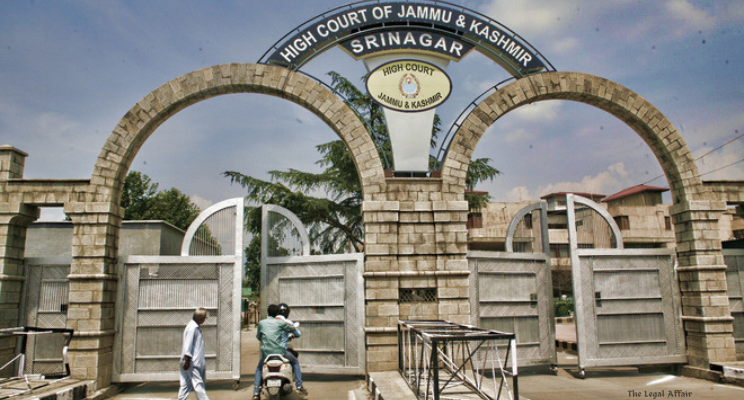
The Jammu and Kashmir and Ladakh High Court recently ruled on the enforceability of mediated settlements under the Jammu and Kashmir Mediation and Conciliation Rules, 2019, in a dispute over property valued at ₹2.19 crores. In Nazir Ahmad Bhat v. Sehrish Shafi & Ors., the court clarified that a mediated settlement achieves the status of a decree enforceable at law only when it receives judicial approval and a decree is passed accordingly. Justice Sanjay Dhar emphasized that failure to comply with these procedural mandates renders the mediated settlement unenforceable. This decision arose in the context of a property dispute where the mediated terms were implemented without formal court approval, leading to a challenge regarding their legality.
Arguments of Both Sides:
The petitioner, Nazir Ahmad Bhat, had initiated a perpetual injunction suit against the respondents to prevent interference in his property dealings. The dispute originated from agreements for the sale of immovable property, where the petitioner alleged that the respondents failed to comply with payment terms. On the other hand, the respondents accused the petitioner of refusing to execute the sale deed despite receiving ₹96.50 lakhs. They filed a counterclaim seeking mandatory injunctions for either execution of the sale deed or recovery of the amount paid. The trial court ordered both parties to maintain the status quo and deposit the received payments in court. During the pendency of an appeal filed by the petitioner against this order, the matter was referred for mediation, resulting in a settlement in July 2024. The petitioner agreed to pay ₹96.50 lakhs to the respondents, with ₹10 lakhs payable within 25 days, while retaining the right to sell the property to third parties. However, the settlement was not presented to the court for approval, violating Rule 25 of the Jammu and Kashmir Mediation and Conciliation Rules, 2019. Subsequently, the petitioner applied for Order 12 Rule 6 of the CPC, seeking adjudication based on the mediated terms, which the trial court directed to execute. This order was challenged on the grounds of procedural non-compliance.
Court’s Judgement:
Justice Sanjay Dhar meticulously analyzed the procedural framework under the Mediation and Conciliation Rules, 2019, emphasizing the requirement for judicial approval of mediated settlements. The court noted that the settlement, though reached during mediation, lacked the necessary approval from either the appellate or trial court. Citing Rule 24 and Rule 25, the court explained that any mediated agreement must be reduced to writing, signed by the parties, and submitted to the mediator, who is obligated to forward it to the court. The court then evaluates the agreement and passes an appropriate decree or order. In this case, no such decree was issued. The court also referenced Order 23 Rule 3 of the CPC, reiterating that compromises or adjustments of suits require judicial acknowledgement. Justice Dhar highlighted procedural lapses, including the improper valuation of claims under the Suits Valuation Act and Court Fee Act, and directed the trial court to address these issues. He stressed the need for adherence to statutory provisions before proceeding further. Consequently, the court set aside the trial court’s order directing the execution of the mediated settlement. The petition was allowed, emphasizing the significance of procedural compliance in the enforceability of mediated settlements.