


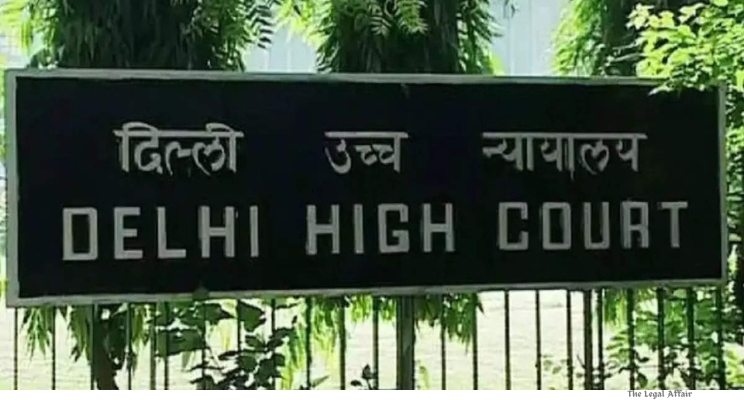
Introduction:
In a significant ruling, the Delhi High Court emphasized the nuanced interpretation of what constitutes an act outraging a woman’s modesty. Justice Subramonium Prasad, while hearing a petition seeking the quashing of an FIR filed by a judicial officer, noted that the assessment of whether words or gestures outrage a woman’s modesty depends on her background and the surrounding circumstances. The case originated from an altercation between the complainant, a judicial officer from Uttar Pradesh, and two accused individuals who allegedly abused and threatened her during a road incident. Despite the accused offering an unconditional apology, the complainant declined it, asserting that their conduct merited legal scrutiny. Justice Prasad refused to quash the FIR, affirming that determining whether the words and actions of the accused violated Sections 509 and 506 of the IPC is a matter for trial.
Arguments of the Petitioner:
The petitioners contended that their alleged actions and words did not amount to an offence under Section 509 (word, gesture, or act intended to insult the modesty of a woman) and Section 506 (criminal intimidation) of the IPC. They argued that their conduct, though regrettable, was not intended to outrage the complainant’s modesty. Highlighting their tender of an unconditional apology, they submitted that the matter should not proceed to trial as it was a minor altercation stemming from a traffic issue. They maintained that the complainant’s refusal to accept their apology should not result in unnecessary litigation.
Arguments of the Respondent:
The respondent, a judicial officer, contended that the accused’s actions went beyond a mere verbal altercation and amounted to a deliberate affront to her dignity and modesty. She alleged that the first petitioner verbally abused her and threatened to slap her, while the second petitioner hurled abuses in Punjabi, which she claimed were sufficient to outrage her modesty. The complainant argued that such conduct, especially directed toward a woman and a judicial officer, warranted a thorough investigation and trial to uphold justice. Her refusal to accept the unconditional apology stemmed from her belief that the accused should face consequences for their actions, which she claimed were intended to intimidate and demean her.
Court’s Observations and Judgment:
Justice Subramonium Prasad underscored the principle that modesty is an inherent attribute of women and that its violation is context-dependent. He noted that whether the actions or words of the accused were capable of outraging the complainant’s modesty required trial-based adjudication. The court observed that the complainant’s professional background as a judicial officer and the circumstances of the incident must be factored into the analysis.
Referring to Section 509 IPC, the court stated that words or gestures that insult a woman’s modesty are punishable, provided they are interpreted in the context of the complainant’s perspective. Similarly, Section 506 IPC penalizes criminal intimidation, making it relevant in this case. Justice Prasad rejected the petitioners’ plea to quash the FIR under Section 482 CrPC, citing the complainant’s refusal to accept the apology and the presence of sufficient material to proceed with the trial. He affirmed that it could not be conclusively determined at this stage that the accused’s actions did not constitute an offence under the IPC.
Justice Prasad acknowledged the complainant’s assertion that the petitioners’ actions were intentional and aimed at intimidating and disrespecting her. He also highlighted that the unconditional apology offered by the petitioners was insufficient to resolve the matter, given the complainant’s insistence on judicial resolution. The court thus dismissed the petition to quash the FIR, paving the way for the case to proceed to trial.