


Introduction:
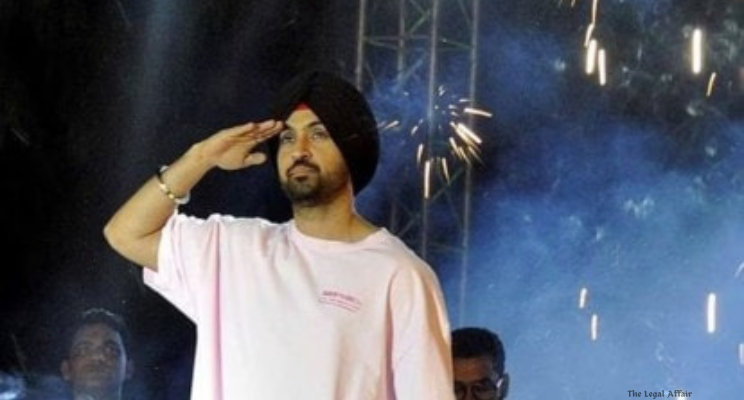
The Punjab & Haryana High Court allowed a concert by Punjabi singer Diljit Dosanjh to be held in Chandigarh on December 14, with strict conditions to ensure compliance with noise pollution regulations and public safety measures. The bench, comprising Chief Justice Sheel Nagu and Justice Anil Kshetarpal, was hearing a Public Interest Litigation (PIL) filed by Ranjeet Singh, a Chandigarh resident, seeking directions for detailed traffic management, crowd control, and noise pollution measures. The petitioner raised concerns about the impact of such events on the environment and public safety, citing violations of fundamental rights under Articles 14, 19, and 21 of the Constitution. The court mandated that the noise level must not exceed 75 decibels at the venue boundary and authorized penal action against organizers in case of violations.
Arguments of Both Sides:
The petitioner, Ranjeet Singh, argued that similar events in Chandigarh have previously caused severe disruptions due to inadequate traffic management, unchecked noise pollution, and public safety risks. He contended that the authorities and event organizers often disregard fundamental rights by allowing such events near residential areas, adversely impacting children, senior citizens, and the general public. Specific references were made to breaches of the Noise Pollution (Regulation and Control) Rules, 2000, and alleged lapses in ensuring compliance with environmental laws. Singh sought court intervention to enforce strict measures, including a detailed plan for crowd and traffic management, noise monitoring, and adherence to public safety norms.
On the other hand, the respondents, including the Union Territory Administration of Chandigarh, submitted that a decongestion plan was in place for the event, with arrangements such as designated parking spaces and public advisories. The administration assured the court of measures to mitigate traffic issues and ensure compliance with noise pollution regulations. The organizers of the concert also provided undertakings to adhere to the permissible noise levels and maintain public order during the event. They contended that the concert was a cultural event aimed at public entertainment, with no intention of violating environmental or public safety standards.
Court’s Judgement:
After reviewing the arguments and evidence presented, the Punjab & Haryana High Court permitted the concert to proceed with strict conditions to address the petitioner’s concerns. The court emphasized the importance of balancing public entertainment with citizens’ fundamental rights and environmental standards. It directed that the event must adhere to the ambient noise limit of 75 decibels, as prescribed by the Noise Pollution (Regulation and Control) Rules, 2000. Any breach of this limit would invite penal action against the organizers.
The bench acknowledged the concerns raised regarding traffic management and crowd control, especially in light of the event being held near residential zones from 7 PM to 10 PM. It appreciated the administration’s proposed decongestion plan and advised continued vigilance to avoid inconvenience to the public. The court also took note of the petitioner’s arguments about the potential impact on children and senior citizens, highlighting the need for responsible event management.
The judgment underscored that public events must not come at the cost of fundamental rights or environmental norms. It reiterated the significance of Articles 14, 19, and 21, emphasizing the need for authorities to maintain a balance between cultural activities and public interest. The matter was listed for further hearing on December 18 to ensure compliance with the court’s directives.
This judgment reflects the judiciary’s proactive approach to safeguarding public rights while allowing cultural events to proceed responsibly. By mandating strict adherence to noise limits and public safety measures, the court reinforced the importance of judicial oversight in maintaining order and protecting citizens’ rights during large-scale events.