


Introduction:
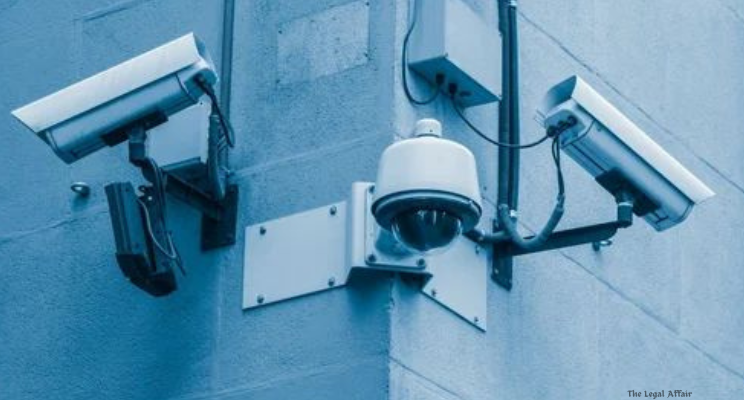
The Calcutta High Court has made a significant ruling concerning the privacy of individuals living in a residential property, holding that CCTV cameras cannot be installed on the premises of a house without the express consent of the person in possession of that house. Justice Tirthankar Ghosh’s ruling was delivered in the context of a petition filed by an individual who, after separating from her husband, moved to a flat co-owned by her and her husband. The petitioner alleged that CCTV cameras had been installed in the flat, similar to those in her marital home, where she had been subjected to physical and emotional abuse by her in-laws. In this case, the court examined the issue of privacy about the installation of surveillance devices in residential spaces and whether such actions could be taken without the occupant’s permission. Justice Ghosh ruled that the petitioner had the right to deactivate the cameras to protect her privacy, underscoring the fundamental importance of an individual’s right to privacy within their home.
Case Background:
The case arose when a woman, who had been physically and emotionally abused in her matrimonial home, decided to separate from her husband and move into another flat co-owned by them. After relocating to the new flat, the woman discovered that CCTV cameras had been installed in various parts of the house. As she later discovered, these cameras were similar to those installed in her matrimonial home. She claimed that her in-laws had used surveillance devices to monitor her movements, which had contributed to her distress and feelings of helplessness during the time she lived with them.
Feeling alarmed by the presence of CCTV cameras in her new residence, the petitioner filed a plea in the Calcutta High Court, asking for a ruling on her right to privacy and whether she could take any action against the unauthorized installation of surveillance devices. The petitioner argued that the installation of CCTV cameras in the house where she was staying was a violation of her privacy, as she had not given consent for them to be placed in her personal space.
Arguments of Both Sides:
Petitioner’s Argument:
The petitioner, through her legal counsel, argued that the installation of CCTV cameras in her new flat without her consent was an intrusion into her privacy. The petitioner emphasized that the flat was her residence, where she had a legitimate expectation of privacy, and that the cameras had been installed in a covert manner, which exacerbated the distress she had already suffered due to the abusive environment in her previous marital home. The petitioner highlighted the fact that she was co-owner of the flat, and thus, her consent was crucial before any alterations or installations were made on the property. The presence of the cameras, she contended, not only breached her privacy but also caused emotional harm and discomfort, particularly given her traumatic experiences in her matrimonial home.
Furthermore, the petitioner argued that the presence of cameras could create a sense of constant surveillance and vulnerability, which was an unacceptable infringement on her autonomy and freedom. She also pointed out that there had been no legal justification provided for the installation of the cameras, and no formal consent had been sought from her, the actual occupant of the flat. The petitioner sought the court’s intervention to protect her right to privacy, asking for the removal or deactivation of the cameras installed on the property.
Respondent’s Argument:
On the other side, the respondent’s counsel argued that the flat in question was possessed by the respondent’s sister, and therefore, the respondent’s sister had the authority to install CCTV cameras in the flat. The respondent contended that the installation of cameras was a personal decision made by the sister in her capacity as the occupant of the property and that there was no legal requirement to seek permission from the petitioner, especially because the flat was co-owned by both the petitioner and her estranged husband. The respondent argued that the presence of cameras was intended for security purposes and should not be viewed as an infringement on the petitioner’s privacy.
In response to the petitioner’s claim that the cameras had caused emotional distress, the respondent’s counsel downplayed the significance of the issue, arguing that the presence of cameras was a standard precaution in residential properties and did not constitute an invasion of privacy. The respondent’s counsel asserted that, since the petitioner had already moved into the flat co-owned by her and her husband, the respondent’s sister was well within her rights to take measures to secure the premises, including installing surveillance equipment. The respondent’s legal team suggested that the petitioner had no grounds to challenge the presence of the cameras in the flat, especially since the installation was done in the interest of safety.
Court’s Judgment:
Justice Tirthankar Ghosh of the Calcutta High Court, while hearing the petition, concluded that the installation of CCTV cameras in the petitioner’s residence without her consent was a violation of her right to privacy. The judge emphasized that the occupant of a residential property, regardless of co-ownership or other claims to possession, retains the fundamental right to control their personal space and to make decisions that affect their privacy. Justice Ghosh found that the petitioner had not given her permission for the installation of the cameras and that their presence was intrusive, particularly in light of the emotional trauma she had experienced during her marriage.
In his judgment, Justice Ghosh highlighted that privacy is a constitutionally protected right, and any encroachment upon this right—especially within one’s own home—must be justified by clear and compelling reasons. He also underscored that the use of surveillance devices, such as CCTV cameras, cannot be unilaterally imposed upon individuals without their explicit consent, particularly in the private domain of their homes. In the case at hand, the cameras were not installed with the consent of the petitioner, and their presence had caused her distress, which was an unacceptable violation of her privacy.
The court held that the petitioner was well within her rights to deactivate or remove the cameras as a means of protecting her privacy. This judgment reaffirms the principle that individuals should have control over their personal spaces, particularly when it comes to sensitive matters such as surveillance. The court directed that the respondent, or anyone else responsible for the installation of the cameras, must respect the petitioner’s privacy and cease any further encroachment on her personal space.
The judgment sent a strong message regarding the importance of safeguarding privacy in the digital age, particularly within domestic settings, where individuals must feel secure and free from unwarranted surveillance.
Conclusion:
The Calcutta High Court’s decision in this case serves as a reminder of the crucial importance of privacy rights, especially in residential settings. The court’s ruling that CCTV cameras cannot be installed without the express consent of the person in possession of the house reinforces the idea that individuals have the right to control their own space, free from unwarranted surveillance. This judgment not only protects the individual rights of the petitioner but also sets a precedent for similar cases where the installation of surveillance equipment in personal spaces could infringe upon privacy. The ruling upholds the fundamental principle that privacy is an essential aspect of one’s autonomy, particularly within the sanctuary of the home. The decision also underscores the importance of respecting the rights of individuals who have experienced trauma or abuse, ensuring that they are not subjected to further distress or violation of their privacy in their own living spaces. The court’s intervention in this case highlights its role in safeguarding individual rights and maintaining the balance between security measures and personal freedom.