


Introduction:
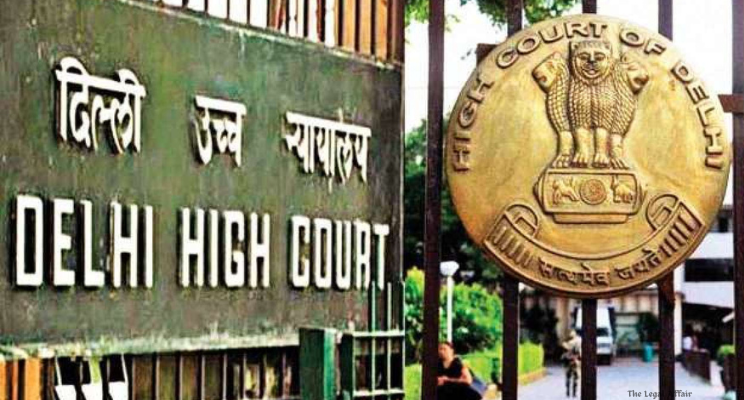
The Delhi High Court recently declined to entertain a Public Interest Litigation (PIL) seeking the constitution of a “Sanatan Dharm Raksha Board” to safeguard and promote Sanatan Hindu traditions. Filed by the Sanatan Hindu Sewa Sangh Trust, the plea argued that such a board is necessary to protect the religious and cultural practices of the Sanatan Hindu community from threats such as conversions and the alleged lack of government oversight. However, a division bench comprising Chief Justice Manmohan and Justice Tushar Rao Gedela observed that the matter fell squarely within the realm of policy decisions, which courts are not equipped to handle. The Court suggested that the petitioner approach the government for redressal of their concerns.
Arguments by the Petitioner:
The petitioner, Sanatan Hindu Sewa Sangh Trust, contended that while boards like the Waqf Board for Muslims and the Sikh Parbandhak Committee exist to manage and protect their respective religious interests, no equivalent body exists for Hindus, despite their temples being under governmental control.
The plea raised concerns about the management of temple funds collected by state and central governments and alleged that the government has failed to establish a body to oversee Hindu temples and cultural preservation on a national scale. It further claimed that Sanatan Hindu traditions are under threat from forced conversions and other external influences. The petitioner argued that a central board akin to the Waqf Board would ensure better protection of Sanatan Hindu practices and safeguard the interests of its followers.
Arguments by the Respondent:
The respondents, representing the Union of India, maintained that the PIL was misplaced and beyond the Court’s jurisdiction to adjudicate. They argued that the issue was a matter of government policy, which should be decided by the executive branch and not imposed by judicial intervention.
The respondents further submitted that the Constitution of India guarantees freedom of religion and provides adequate safeguards for the protection of all religious communities, including Hindus. They contended that creating a “Sanatan Dharm Raksha Board” would be a policy matter requiring extensive consultation, and such decisions are best left to the legislature and executive.
Court’s Judgment:
After hearing the arguments, the Delhi High Court dismissed the PIL, stating that it lacked the jurisdiction and expertise to entertain such prayers. The Court noted that the establishment of a “Sanatan Dharm Raksha Board” is a matter that falls within the domain of the government and the legislature, not the judiciary.
Chief Justice Manmohan, speaking for the bench, remarked that the judiciary cannot direct the creation of a board as requested in the plea and suggested that the petitioner approach the appropriate government authorities to address their concerns. The Court emphasized that policy decisions like these require deliberation and planning at the administrative level, which the judiciary is not equipped to mandate or oversee.
The bench also observed that the prayers sought in the petition were beyond the Court’s capacity to grant, as they required specialized knowledge and political will. Highlighting the constitutional framework, the Court reiterated that issues involving the governance of religious institutions and cultural practices are best resolved through legislative and administrative processes.
Significance of the Case:
This judgment underscores the importance of delineating the judiciary’s role from that of the executive and legislature in a constitutional democracy. The Court’s refusal to entertain the PIL highlights the principle of judicial restraint, particularly in policy matters requiring broader consultation and legislative action.
The dismissal of the petition also reinforces the constitutional guarantees of religious freedom and equality, reminding citizens that the state must remain neutral in its treatment of all religions. By advising the petitioner to approach the government, the Court upheld the proper channels for addressing policy-related grievances.