


Introduction:
The Karnataka High Court recently reiterated the importance of filing a sworn affidavit when submitting a private complaint before the Magistrate, aligning with the Supreme Court’s guidelines in Priyanka Srivastava v. State of Uttar Pradesh (2015). The case involved a petition filed by Parvati Sharanappa and another person, challenging an FIR and private complaint initiated by Rayappa Jangali, which alleged misuse of security cheques.
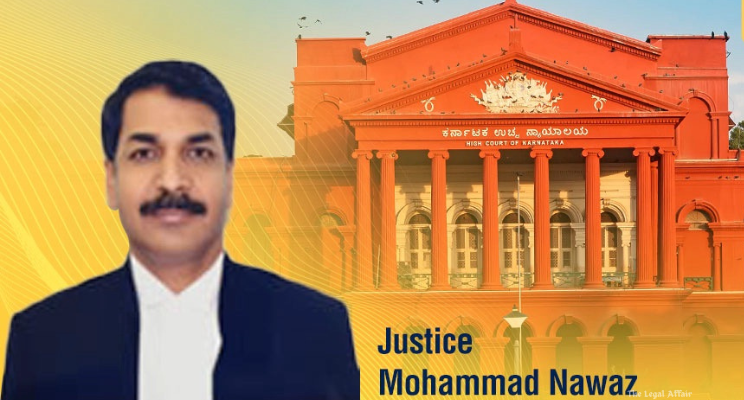
The single-judge bench of Justice Mohammad Nawaz quashed the FIR and complaint, emphasizing that failure to file a sworn affidavit in support of a private complaint undermines the judicial process. This judgment reinforces procedural compliance to ensure responsible use of legal mechanisms and prevent frivolous litigation.
Arguments of Both Sides:
Petitioners’ Contentions:
The petitioners, represented by Advocate Sanjay A. Patil, argued that:
- Non-compliance with Supreme Court Precedent: They referred to Priyanka Srivastava v. State of Uttar Pradesh (2015), which mandates that applications under Section 156(3) of the CrPC must be accompanied by a duly sworn affidavit.
- Prevention of Abuse: The absence of a sworn affidavit allows complainants to misuse the judicial system, leading to unwarranted harassment.
- False Allegations: The complaint was filed to counter a cheque bounce case initiated by the petitioners under Section 138 of the Negotiable Instruments Act.
Respondent-Complainant’s Contentions:
The complainant, represented by Advocate Mahadev S. Patil, submitted the following:
- Efforts to Lodge Complaint: Despite attempts to register a case with the police and higher authorities, no action was taken, necessitating the filing of a private complaint.
- Supporting Documentation: The complainant presented postal receipts as proof of communication with higher authorities before approaching the Magistrate.
- Admission of Procedural Lapse: The complainant’s counsel admitted that no sworn affidavit was filed in support of the private complaint, as mandated by Priyanka Srivastava.
Court’s Observations:
- Importance of Sworn Affidavit:
Justice Mohammad Nawaz underscored the Supreme Court’s observations in Priyanka Srivastava, which highlight the necessity of filing sworn affidavits to:
- Ensure applicants act responsibly and truthfully.
- Discourage frivolous complaints intended to harass others.
- Provide a basis for prosecution if the affidavit is later found to be false.
- Procedural Safeguards under Section 156(3):
The court noted that the Magistrate referred the complaint to the police for investigation without the complainant submitting a sworn affidavit. This procedural lapse rendered the complaint and subsequent FIR invalid.
- Abuse of Process:
The court emphasized that Section 156(3) of the CrPC should not be used casually or as a tool for settling personal scores. It reiterated the Supreme Court’s warning against routine applications under this provision that lack accountability.
Judgment:
- Quashing the Complaint and FIR:
The court quashed the Magistrate’s order dated March 9, 2023, and the subsequent FIR registered against the petitioners, citing non-compliance with mandatory procedural requirements.
- Liberty to File Fresh Complaint:
The complainant was granted the liberty to file a fresh complaint, provided it adheres to legal requirements, including the submission of a sworn affidavit.
- Alignment with Supreme Court Guidelines:
The judgment aligned with Priyanka Srivastava, reinforcing the need for judicial discipline and procedural compliance in cases under Section 156(3).
Key Takeaways:
- Procedural Integrity:
This judgment emphasizes the critical role of sworn affidavits in ensuring the integrity of private complaints and safeguarding against misuse of judicial resources.
- Accountability of Complainants:
By requiring affidavits, courts can hold complainants accountable for false claims, deterring frivolous or malicious litigation.
- Strengthening Judicial Processes:
The Karnataka High Court’s decision reinforces adherence to procedural safeguards, ensuring that legal mechanisms are not misused for personal vendettas.