


Introduction:
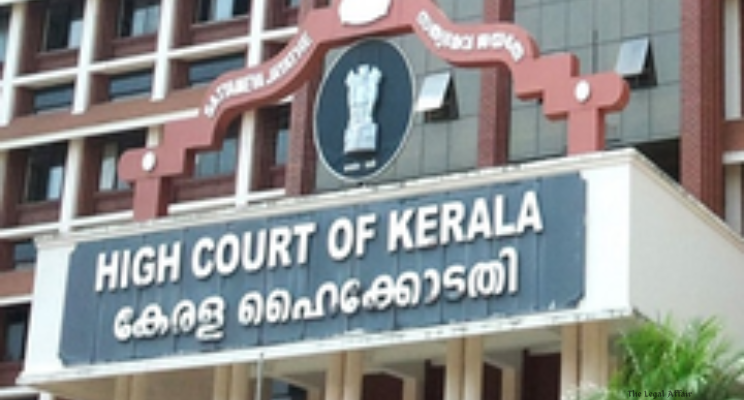
In a recent ruling, the Kerala High Court denied the request of former army officer and Malayalam film director A.K. Raveendran, also known as Major Ravi, to be discharged from a criminal case involving offensive remarks made against a TV news anchor. Justice P. V. Kunhikrishnan’s decision underscores the responsibility of public figures to exercise caution in their statements, given their influence on the public. The court held that Major Ravi must face trial to prove his innocence, rather than using extraordinary jurisdiction under Section 482 of the CrPC to evade legal proceedings.
Background:
The controversy originated from an event in Ernakulam in 2016, where Major Ravi allegedly made derogatory comments about a complainant. These remarks led to charges of sexual harassment under Section 354 of the Indian Penal Code (IPC), defamation under Sections 500 and 501 of the IPC, and violations under the Kerala Police Act related to public order.
The complainant alleged that Major Ravi’s comments were directed at her and contained sexually inappropriate content, causing her mental anguish. The police’s final report supported these allegations, prompting legal action against the director. Major Ravi contested the charges, arguing that even if the allegations were true, they did not constitute criminal offenses and claimed that the defamation charges were invalid as they were based on a police report rather than a direct complaint from the aggrieved person.
Arguments:
Arguments by the Petitioner:
- Inadequate Offenses: Major Ravi’s legal team argued that even if the allegations in the police report were accepted, the offenses charged were not substantiated. They contended that the nature of the remarks did not meet the legal thresholds for sexual harassment or defamation under the IPC.
- Defamation Charges: The petitioner challenged the validity of the defamation charges, asserting that the Magistrate’s cognizance was based on a police charge report rather than a direct complaint from the complainant. According to Section 199 of the CrPC, a defamation charge must be based on a complaint by the aggrieved person, not a police report.
- Cognizance of Offenses: The petitioners argued that the Magistrate had failed to properly apply his mind when taking cognizance of the offenses under Sections 500 and 501 IPC. They sought to have the entire order of taking cognizance set aside due to this alleged oversight.
- Ambiguity of Remarks: Major Ravi’s counsel claimed that the complainant’s assertion that the remarks were directed at her was unsubstantiated. They argued that the complainant’s interpretation of the remarks as sexually colored was subjective and should be evaluated by the trial court.
Arguments by the Respondents:
- Legitimacy of Charges: The prosecution maintained that the charges of sexual harassment and defamation were valid and supported by the evidence provided. They argued that the allegations were serious and warranted a thorough examination by the court.
- Proper Procedure Followed: The respondents contended that the police report and subsequent legal actions were in accordance with established procedures. They argued that the Magistrate’s cognizance of the defamation charges was proper and adhered to legal norms.
- Significance of Public Figures’ Statements: The respondents emphasized that Major Ravi, as a prominent public figure, had a heightened responsibility to be cautious with his statements. They argued that facing trial was a necessary step for the accused to prove his innocence and address the allegations appropriately.
- Evidence for Allegations: The respondents argued that the specifics of the remarks and their intent were matters of evidence to be decided by the trial court. They stressed that the court should not preemptively dismiss the case based on preliminary arguments.
Court’s Judgment:
Justice P. V. Kunhikrishnan’s judgment focused on several key aspects:
- Rejection of Discharge: The court refused to discharge Major Ravi from the criminal case, asserting that the allegations of sexually colored remarks and other charges warranted a detailed examination by the trial court. The judgment emphasized that facing trial provided an opportunity for the petitioner to clear his name.
- Inconsistency in Defamation Charges: The court agreed with the petitioner that the cognizance for defamation charges was improperly based on a police report rather than a direct complaint from the aggrieved person. Consequently, the court quashed the order taking cognizance for defamation offenses under Sections 500 and 501 IPC.
- Caution for Public Figures: The court highlighted the duty of public figures to exercise caution with their statements, given their influence on the public. Justice Kunhikrishnan emphasized that Major Ravi’s status as a celebrity and former army officer required him to exercise greater care in his public remarks.
- Matters of Evidence: The court determined that the interpretation of Major Ravi’s remarks and their impact on the complainant were matters for the trial court to decide. The court declined to preemptively rule on the substantive issues of the case, allowing the trial to proceed and determine the veracity of the allegations.
- No Extraordinary Jurisdiction: The court rejected the petitioner’s attempt to avoid trial through extraordinary jurisdiction under Section 482 CrPC. It held that such matters should be resolved by the trial court, which is equipped to evaluate evidence and determine the merits of the case.
Conclusion:
The Kerala High Court’s decision underscores the principle that public figures must be cautious with their statements due to their influential positions. By allowing the criminal case to proceed, the court emphasizes the importance of addressing allegations through proper legal channels rather than evading them through extraordinary remedies. The judgment also highlights the need for uniform application of legal principles and adherence to procedural norms, ensuring that both victims and accused receive fair treatment under the law.