


Introduction:
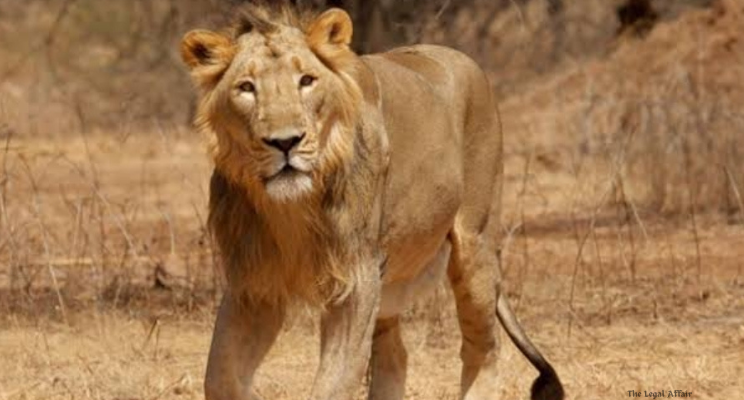
Following the unnatural deaths of three Asiatic lions on railway tracks in Amreli district, the Gujarat High Court has issued a series of directives aimed at preventing such incidents in the future. The court has scheduled a follow-up hearing next month to review the implementation of recommendations made by a High-Level Committee.
Background:
In response to the tragic deaths of Asiatic lions on January 3, January 12, and January 21, 2024, the Gujarat High Court took suo motu cognizance of the matter. The Chief Conservator of Forest, Wildlife Circle, Junagadh, submitted an affidavit of compliance regarding a previous court order dated April 23, 2024. This affidavit revealed the formation of a High-Level Committee under the supervision of the Ministry of Railways and the Forest Department of Gujarat. The committee was tasked with developing a Standard Operating Procedure (SOP) to protect the Asiatic lions in Gir and ensure their safe movement within the Gir Protected Areas.
Arguments of Both Sides:
Petitioner’s Arguments:
- Necessity of Immediate Action: The petitioners, represented by wildlife conservation groups and concerned citizens, argued that the deaths of the lions highlighted a severe gap in the safety measures implemented by the Railways and Forest Departments. They emphasized the urgency of immediate action to prevent further loss of wildlife.
- Inadequate Measures: They contended that the existing measures, including periodic vegetation shredding and underpasses, were insufficient. The need for advanced IT solutions and regular monitoring was stressed to ensure the safety of these endangered animals.
- Train Speed and Illumination: The petitioners pointed out that high train speeds and inadequate illumination were significant factors contributing to the accidents. They urged for a mandatory reduction in train speeds, especially during night hours, and improvements in locomotive headlights.
- Accountability and Transparency: The petitioners called for greater accountability from both the Railways and Forest Departments. They argued that negligence had been a recurring issue and demanded transparency in the inquiry processes and implementation of the committee’s recommendations.
Respondent’s Arguments:
- Compliance with Guidelines: The respondents, represented by the Ministry of Railways and the Forest Department of Gujarat, maintained that they had complied with existing guidelines and had taken steps to mitigate risks. They highlighted the establishment of the High-Level Committee as a proactive measure.
- No Negligence Found: The respondents argued that inquiries into the incidents found no negligence on the part of railway or forest staff. They emphasized that the accidents occurred despite following protocols, suggesting that further measures were being considered to enhance safety.
- Existing Preventive Measures: The respondents detailed the current preventive measures, including the construction of underpasses and fencing along railway tracks, periodic vegetation clearing, and caution orders for train speeds in wildlife areas. They claimed that these measures were in line with best practices for wildlife protection.
- Collaboration Between Departments: The respondents stressed the importance of continued collaboration between the Railways and Forest Departments. They acknowledged the need for ongoing monitoring and the implementation of additional measures as recommended by the High-Level Committee.
Court’s Judgment:
The Gujarat High Court issued a comprehensive judgment emphasizing the need for enhanced safety measures to protect Asiatic lions. Key directives from the court included:
- Implementation of High-Level Committee Recommendations: The court ordered the immediate implementation of the High-Level Committee’s recommendations in the first phase. This includes improving locomotive headlights, relaxing speed restrictions, periodic vegetation shredding, cleaning underpasses, and reducing train speeds as per the committee’s suggestions.
- Monitoring and Compliance: The court mandated continuous monitoring of hotspots and regular updates on the progress of retrofitting underpasses along the Pipavav to Liliya railway track. It also emphasized the importance of the joint-feasibility survey by the Railways and Forest Department to identify locations for new underpasses.
- Regular Reporting: The court required regular reports on the compliance of these measures to be submitted during the follow-up hearing scheduled for August 9, 2024. This ensures accountability and keeps the court informed about the progress made.
- Focus on Collaboration: The judgment underscored the need for sustained cooperation between the Railways and Forest Departments. It highlighted the importance of synchronized efforts to maintain the safety of the Gir Protected Areas and to prevent future incidents.
- Enhanced Preventive Measures: The court endorsed the committee’s recommendations for permanent speed reductions at night in identified hotspots and stricter speed restrictions on the Rajula Junction-Mahuva track. It also supported the implementation of IT solutions for better monitoring and training of railway staff to handle such situations effectively.
Conclusion:
The directives issued by the Gujarat High Court are a crucial step towards ensuring the safety of Asiatic lions in the Gir Protected Areas. By emphasizing the importance of immediate action, collaboration, and accountability, the court has set a precedent for proactive measures to protect endangered wildlife. The follow-up hearing scheduled for next month will be pivotal in assessing the progress of these initiatives and ensuring their effective implementation.