


Introduction:
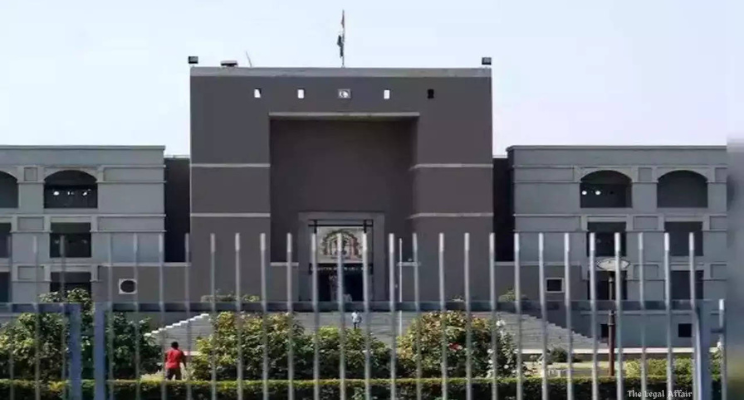
In a significant ruling, the Gujarat High Court granted Anjuben Karansinh Dodiya permission to act as the guardian of her husband, Karansinh Rajusinh Dodiya, who has been in a coma for five years following a head injury. Justice Sangeeta K. Vishen presided over the case, which highlighted the challenges faced by families when a loved one is incapacitated without specific legal provisions for guardianship. This judgment allows Anjuben to manage her husband’s estate, including his movable and immovable properties, to ensure his continued care.
Case Background:
In 2019, Karansinh Rajusinh Dodiya suffered a severe head injury resulting in a brain hemorrhage and multiple medical complications. After a decompressive craniectomy at Zydus Hospital in Ahmedabad, he has remained bedridden and unresponsive. Due to the high costs associated with his treatment, his wife, Anju, along with their children and her father-in-law, sought the court’s intervention to appoint her as his guardian and manager of his properties.
Arguments of the Parties:
Petitioners’ Arguments:
Medical Condition and Incompetence: The petitioners argued that Karansinh’s medical condition, confirmed by a team of doctors, rendered him incapable of making any decisions or managing his affairs. He is entirely dependent on others for his care.
- Financial Hardship:
Anju and her family faced significant financial difficulties in continuing Karansinh’s treatment. They needed access to his assets to manage his care and support the family.
- Lack of Legal Provisions:
Advocate Siddharth Kheskani, representing the petitioners, highlighted that existing laws, such as the Mental Healthcare Act of 2017, do not adequately cover guardianship for comatose individuals. Therefore, the High Court’s intervention was necessary to address this legal gap.
Respondents’ Arguments:
- Legal and Ethical Concerns:
The respondents raised concerns about the legal and ethical implications of appointing a guardian for a comatose individual, questioning whether it was within the court’s purview to make such a decision given the absence of specific legal provisions.
- Protection Against Misuse:
They emphasized the need for safeguards to ensure that the guardian does not misuse the patient’s assets or neglect his care, suggesting that any such appointment should include stringent oversight and reporting requirements.
Court’s Judgment:
Justice Sangeeta K. Vishen delivered the judgment, addressing the complex interplay between the need for guardianship and the absence of specific legal provisions. The key points of the judgment are as follows:
- Appointment as Guardian:
The court declared Anjuben Karansinh Dodiya as the guardian of her husband, Karansinh Rajusinh Dodiya, allowing her to manage his movable and immovable properties, including lands, bank accounts, and business interests.
- Legal Basis and Precedent:
The court noted that existing laws do not adequately cover the guardianship of comatose individuals. However, it relied on its inherent jurisdiction to address this legal lacuna and ensure the patient’s welfare.
- Financial Management and Reporting:
Anjuben is authorized to operate Karansinh’s assets for his care but must file a report every three months with the Registrar General of the Gujarat High Court detailing the transactions and utilization of funds.
- Monitoring and Oversight:
The court directed the Registrar General to maintain a register of guardianship cases, including details of the guardian and periodic reports. Designated officers will monitor the situation to ensure the guardian acts in the patient’s best interests.
- Conditions and Safeguards:
Several conditions were imposed to prevent misuse of power. If Anjuben is found to be neglecting her duties or misappropriating funds, any relative or next friend can apply for her removal as guardian, and the court retains the authority to appoint another guardian if necessary.
- Compliance with Legal Duties:
Anjuben must fulfill duties similar to those outlined in the National Trust Act, including maintaining and submitting accounts of her management of Karansinh’s assets, emphasizing the need for transparency and accountability in her role.