


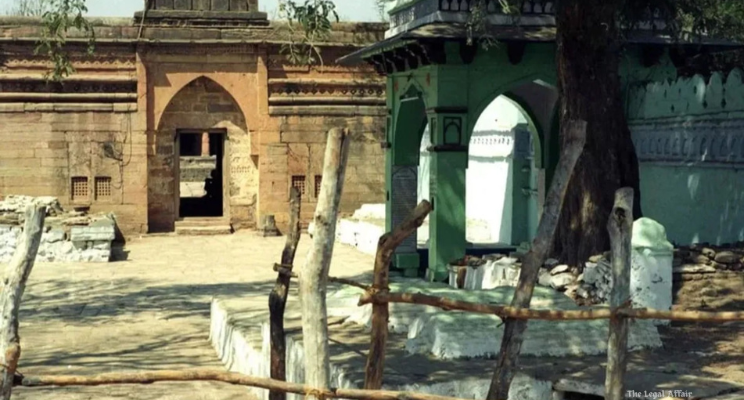
Introduction:
In a significant turn of events, the Archaeological Survey of India (ASI) submitted a comprehensive report to the Madhya Pradesh High Court, concluding that the Bhojshala-Kamal Maula Mosque Complex in the Dhar district contains architectural elements originally part of earlier temples. The ASI’s findings, based on scientific investigations and archaeological remains, assert that the pre-existing structure can be dated back to the Paramara dynasty period. This revelation has intensified the ongoing historical and cultural debate surrounding the complex, which is regarded as a temple by Hindus and a mosque by Muslims.
Arguments:
The petitioner, represented by the Hindu Front for Justice, sought a scientific survey of the Bhojshala-Kamal Maula Mosque Complex to establish its origins. They argued that the complex, known to Hindus as a temple dedicated to Vagdevi (Goddess Saraswati), had been transformed into a mosque. The petitioner’s counsel presented historical records and architectural features suggesting that the mosque was built using materials from earlier Hindu temples. They emphasized that many architectural elements, including decorated pillars and pilasters with carvings of deities and human figures, were mutilated to conform to Islamic artistic conventions. The petitioner contended that the ASI’s survey was crucial to uncover the historical truth and preserve the site’s cultural heritage.
The respondents, representing the Muslim community, maintained that the Bhojshala-Kamal Maula Mosque has long been recognized and used as a place of Islamic worship. They argued that the presence of certain architectural elements with Hindu motifs does not undermine the mosque’s historical and religious significance to Muslims. The respondents’ counsel emphasized that the existing structure, regardless of its architectural origins, has been a mosque for centuries and should be respected as such. They argued that any attempt to alter the status of the site based on the ASI’s findings would disrupt communal harmony and violate their religious rights.
Court’s Judgment:
The Madhya Pradesh High Court, after reviewing the ASI’s detailed report and the arguments from both sides, acknowledged the complex historical and cultural context of the Bhojshala-Kamal Maula Mosque Complex. The ASI’s report provided compelling evidence that the existing structure incorporated parts from earlier temples, dating back to the Paramara dynasty period. The report highlighted that the pillars and pilasters in the colonnades, featuring human and deity figures, were originally part of Hindu temples and were later repurposed for constructing the mosque.
The court noted that the ASI’s findings revealed that several figures and inscriptions were mutilated or defaced to conform to Islamic norms, which prohibit the depiction of human and animal figures in religious spaces. The presence of Sanskrit and Prakrit inscriptions further substantiated the site’s historical significance, linking it to King Naravarman of the Paramara dynasty.
In its judgment, the court emphasized the importance of preserving the site’s historical integrity while respecting its current religious significance. The court directed the state and central authorities to ensure that the ASI’s findings are used to enhance understanding and appreciation of the site’s multifaceted history. The court also stressed the need for maintaining communal harmony and preventing any actions that could incite conflict.
The court’s verdict did not alter the current status of the Bhojshala-Kamal Maula Mosque as a protected monument under the ASI. Instead, it called for continued research and documentation to provide a comprehensive historical account of the site. The court also urged both communities to engage in constructive dialogue to honor the site’s shared heritage.