


Introduction:
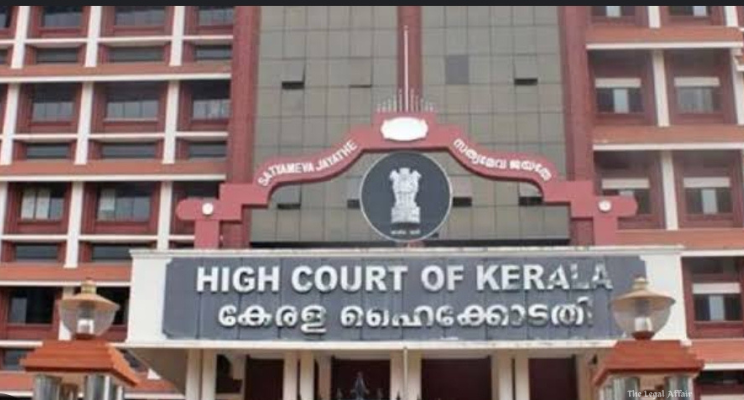
In a notable ruling, the Kerala High Court addressed the issue of illegal detention based on mistaken identity, emphasizing the importance of clearly establishing an individual’s identity before making any arrest or detention. This decision arose from a case involving a 38-year-old tuition teacher, Shalet, who was wrongly detained by the police due to a misidentification. The Court directed the State Police Chief to issue instructions to prevent such incidents and ensure the protection of citizens’ rights.
Arguments:
Shalet, the petitioner, approached the Court seeking protection from harassment by the police and to prevent any further illegal actions against her and her family. She also requested the Court to direct senior police officials to register criminal cases against the officers involved in her harassment and sought compensation of Rs. 10,000 for her wrongful detention.
The petitioner and her husband were accused of committing offenses under Sections 420 (cheating), 468 (forgery for cheating), and 471 (using a forged document as genuine) read with Section 34 (common intention) of the IPC. The charges stemmed from allegations that her husband took money from individuals by promising them jobs abroad, only to bring them back to India without fulfilling the promises. Shalet contended that she had no involvement in the alleged crimes and was included as an accused solely to pressure her husband.
Despite obtaining anticipatory bail, Shalet was forcibly apprehended by police officers at her residence. She alleged that they used vulgar and obscene language, outraged her modesty by pushing her into a police jeep, and detained her at the police station, where she was threatened and coerced to pay Rs. 5 lakh to another woman. Shalet claimed that these actions were an abuse of power and aimed at seeking revenge on her husband.
Shalet cited precedents such as Vipin P.V. v. State of Kerala (2013) and State of Kerala and Others v. Shyam Balakrishnan (2019), arguing that citizens are entitled to compensation for illegal arrests and detentions. She contended that her fundamental rights were violated and sought justice and protection from further harassment.
The Government Pleader, representing the police, contended that Shalet’s arrest was a case of mistaken identity, as the officers believed they were executing a non-bailable warrant issued against her. Upon realizing the error, Shalet was promptly released. The respondents denied allegations of using force or abusive language during her detention.
The police argued that the name and address in the non-bailable warrant were strikingly similar to Shalet’s, leading to the confusion. They maintained that their actions were not intended to harass or curtail Shalet’s liberty but were a genuine mistake while executing their duties.
Court’s Judgment:
Justice Gopinath P. of the Kerala High Court, after examining the facts and arguments presented, highlighted the urgent necessity of ensuring that the identity of individuals is clearly established before any arrest or detention by police officials. The Court emphasized that wrongful detention based on mistaken identity is a serious violation of fundamental rights and can have severe consequences on the life and liberty of innocent citizens.
The Court acknowledged that the police genuinely believed they were acting on a valid non-bailable warrant issued against Shalet and noted the similarities in the names and addresses that led to the confusion. However, it also recognized the distress and humiliation caused to Shalet due to the wrongful detention.
The Court observed that in cases of gross human rights violations, victims are entitled to compensation. However, in this case, the Court concluded that the police did not intentionally plan to detain Shalet to harass her but were executing a court-issued warrant. Consequently, the Court denied Shalet’s claim for compensation but directed the State Police Chief to issue suitable instructions to prevent similar instances in the future.
The High Court’s directive aims to protect the rights of citizens and ensure that police officers exercise due diligence in verifying identities before making arrests or detentions. This decision reinforces the importance of upholding fundamental rights and preventing any illegal invasion into the life and liberty of innocent individuals.