


Introduction:
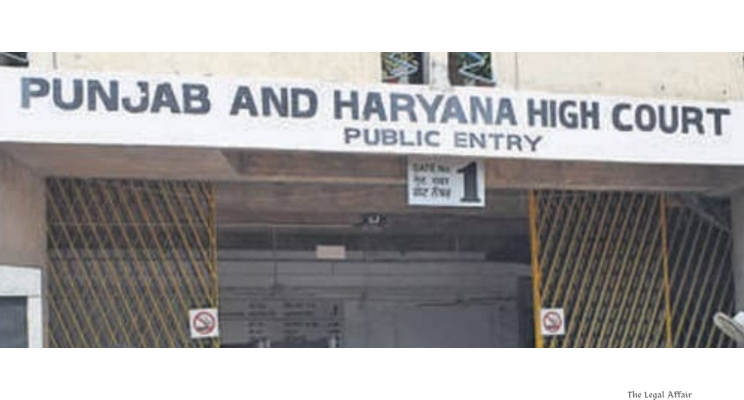
In a recent ruling by the Punjab & Haryana High Court, Justice Anupinder Singh Grewal and Justice Kirti Singh granted interim bail to a man convicted under the NDPS Act to enable him to marry. The case involved Joginder Singh, who had been sentenced to 10 years of rigorous imprisonment for possession of heroin. With his marriage scheduled for June 12, the court considered his plea for interim bail.
Arguments:
Joginder Singh, through his counsel Mr. Nikhil Ghai and Mr. Ankit Kundu, sought interim bail to perform his marriage. He had already served four years of his sentence and maintained that his marriage was a significant event in his life that he did not want to miss. The applicant emphasized the importance of this occasion and requested temporary release to participate in his wedding ceremony.
The Senior Deputy Advocate General representing the State of Punjab, Mr. H.S. Sullar, presented the state’s perspective opposing the grant of interim bail. The state highlighted the seriousness of the offense under the NDPS Act and expressed concerns about the applicant’s involvement in other criminal cases. They argued that granting bail could set a precedent and undermine the severity of drug-related offenses.
Court’s Judgment:
After considering both parties’ arguments, the High Court granted interim bail to Joginder Singh, acknowledging the significance of his marriage. Justices Grewal and Singh noted that Joginder had already served four years of his sentence and that his marriage was a momentous event in his life. The court deemed it appropriate to temporarily release him to fulfill his marital obligations.
The Court directed Joginder Singh to surrender before the concerned jail by June 14, 2024, at 5 PM, after his wedding. Additionally, the police were instructed to take him into custody, ensuring compliance with legal procedures.
The decision by the Punjab & Haryana High Court reflects a balance between the importance of matrimonial rites and the administration of justice. While recognizing the seriousness of the NDPS Act offense, the court prioritized the applicant’s right to participate in his wedding ceremony. This ruling sets a precedent for considering humanitarian factors in sentencing and bail decisions, ensuring fairness and compassion in the legal system.
L